.avif)
.avif)
Getting Vanguard ready for operation
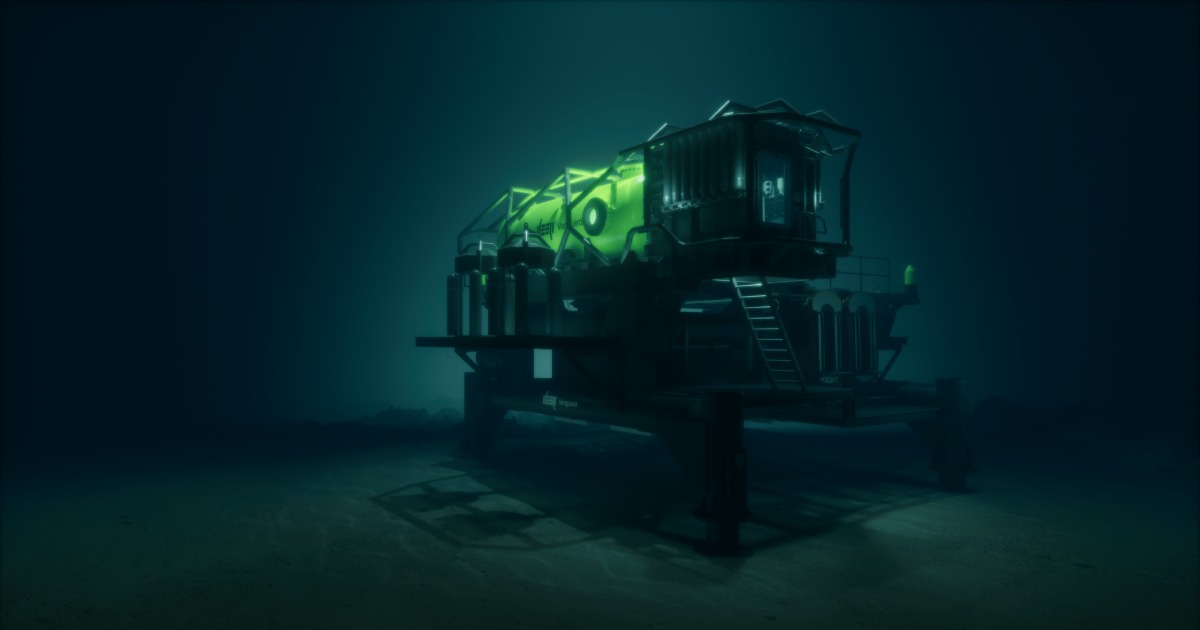
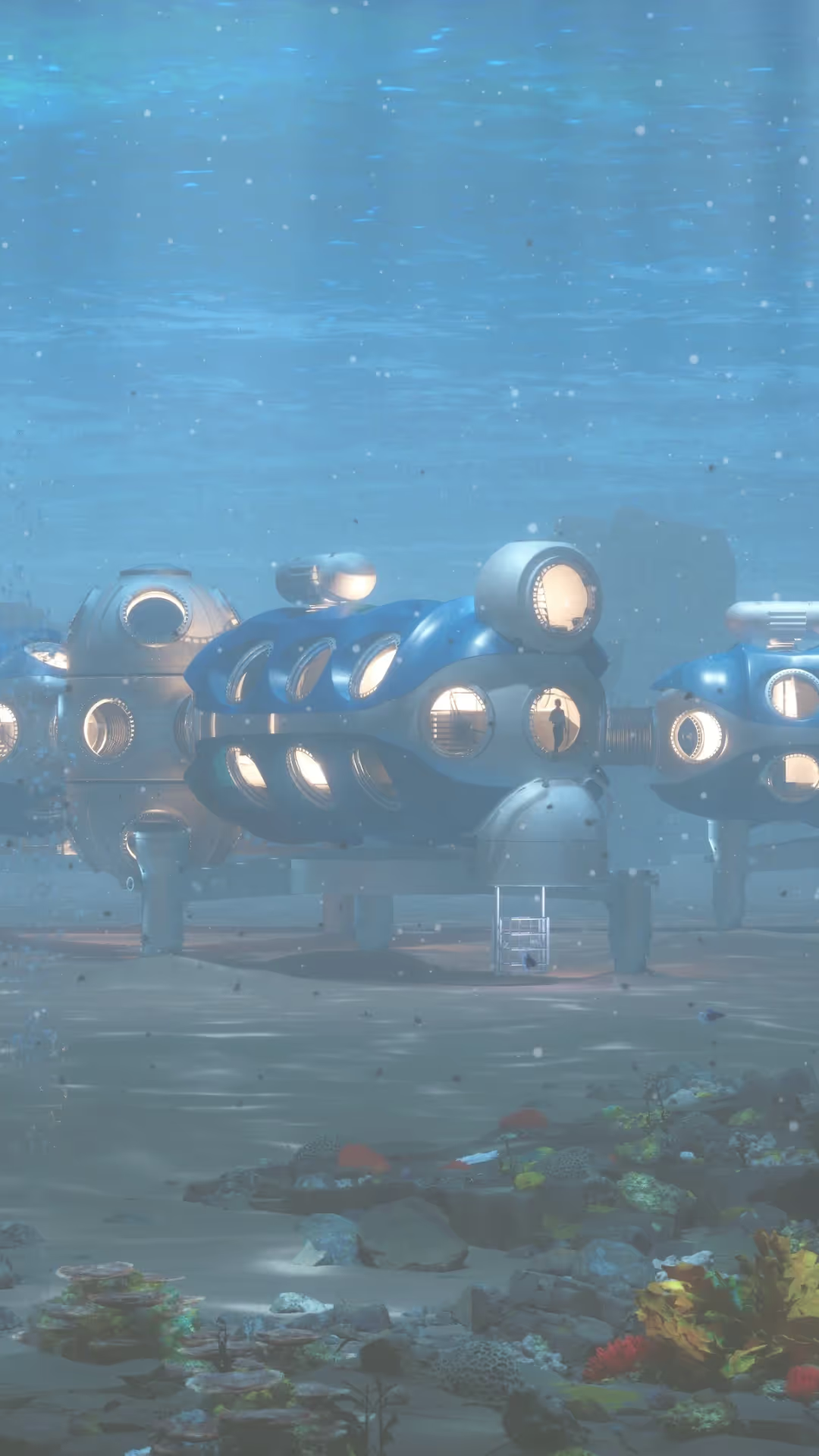
Vanguard is the first underwater habitat developed by DEEP and it’s designed to support crews living subsea for extended missions. This article explains how Vanguard is being prepared for underwater missions in the ocean, including DNV classification, safety testing, and operational readiness.
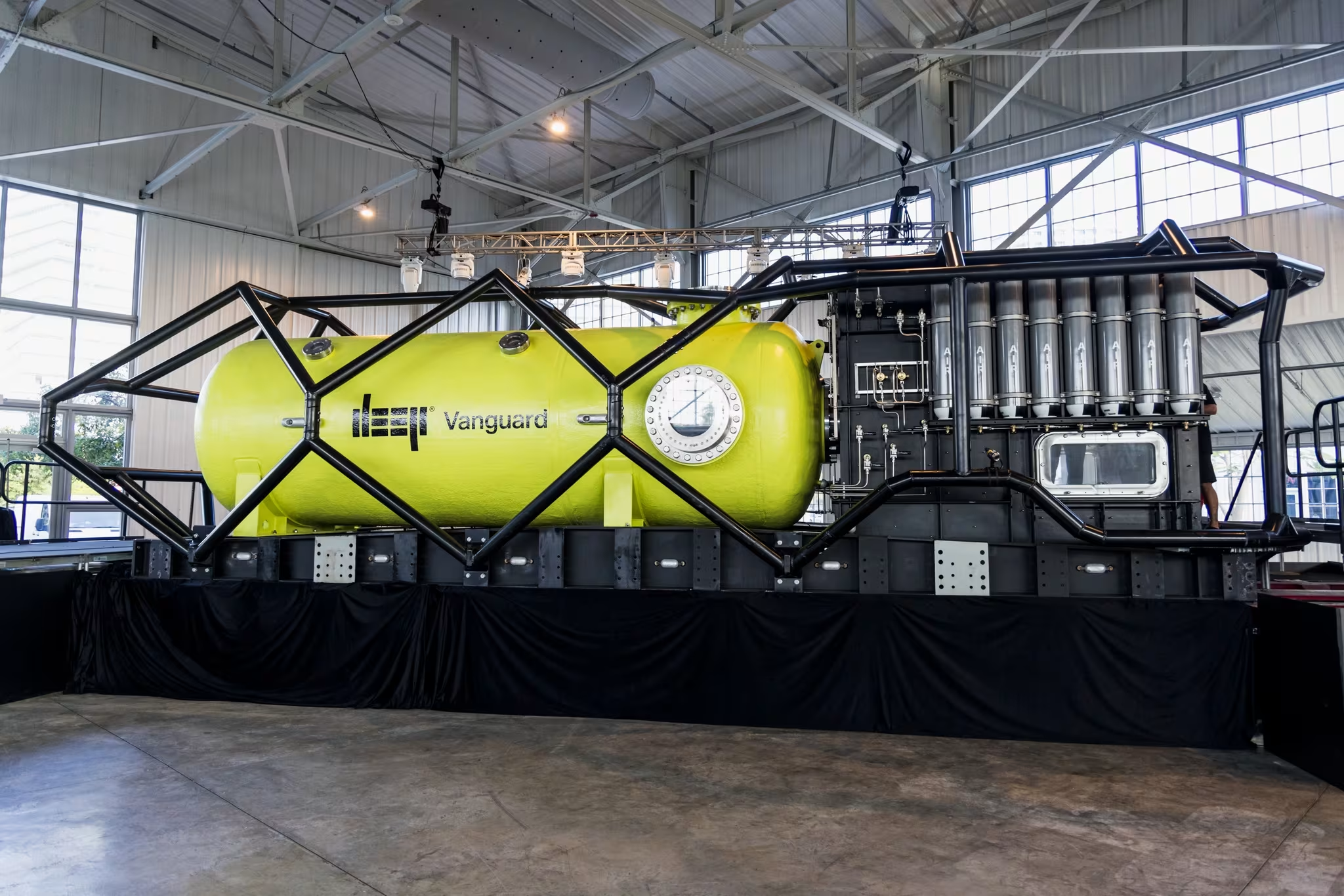
The Vanguard underwater habitat was recently unveiled on dry land in Miami, Florida.
It was an occasion in its own right, showcasing the first subsea human habitat of its kind to be built in the U.S. in almost 40 years.
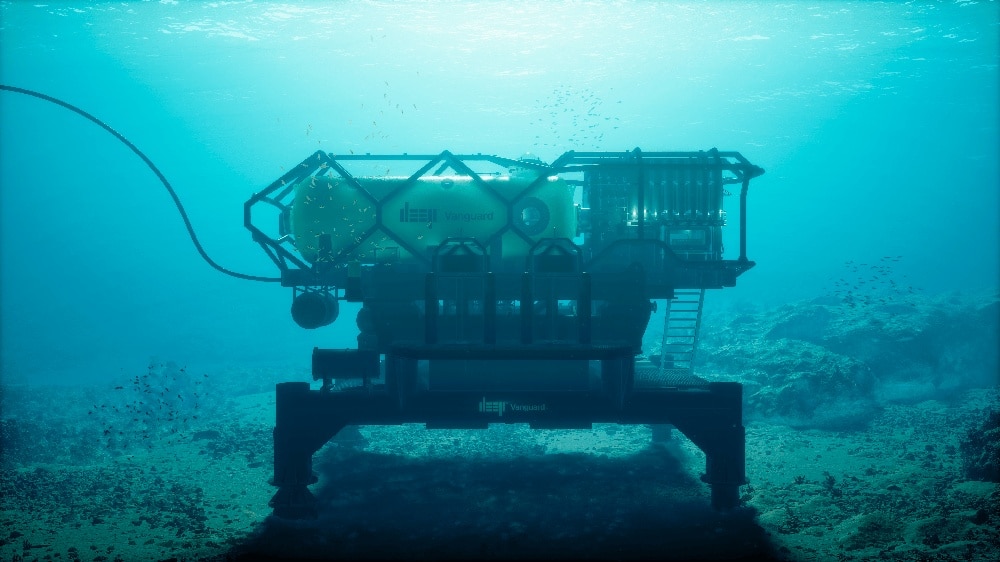
But what comes next will be a momentous occasion: Vanguard operating in the ocean with a crew of four living underwater for seven days or more, advancing ocean exploration and expanding our understanding of the marine environment.
So, what are the next steps in achieving that?
Vanguard is now undergoing final outfitting, subsystem testing, integrated end-to-end acceptance testing (which includes, for example, the support buoy and remote monitoring watch desk), and finally, sea acceptance testing when installed on the ocean floor.
While this series of tests will form some of the final stages of getting Vanguard operational, the process for building a classed habitat started at the beginning, when the concept for the subsea human habitat was conceived.
A milestone in safety for subsea habitats
This project marks a major milestone in safety, because Vanguard is working towards becoming the first underwater habitat to be classed by DNV, a leading authority in underwater technology standards.
If you haven’t heard of DNV, it’s a highly respected classification society and widely recognised advisor to the maritime industry, delivering testing, certification, and technical advisory services.
When we first conceived of the idea for Vanguard, we wanted to engage a class society at the outset.
The key benefit to DEEP of working with DNV – or any classification society – is the independence they bring, along with their extensive expertise in subsea engineering and risk management. Their role as an external authority ensures that our work is measured against rigorous and objective standards, built on decades of experience across the maritime and offshore industries.
"We have worked with DEEP for several years, building an excellent cooperation. As we have pioneered rules and standards for underwater systems and submersibles – including the industry’s first class rules for live-in habitats – DEEP is pushing boundaries to advance ocean science and access. From their earliest design tests, they engaged us to ensure their systems and materials followed the highest engineering standards, which is especially critical as they develop the new Vanguard system. We look forward to strengthening this partnership as they work toward full DNV class approval, and value the trust they have placed in our expertise in underwater habitats and submersibles."
Jonathan Struwe, Head of Underwater Technology at DNV Maritime
How classification works for subsea habitats
Classification ensures that what you engineer complies with an appropriate set of rules and regulations.
It’s not every day that someone builds an underwater habitat. But DNV has the right specialist knowledge to work with us and guide us. In fact, DNV developed a specific ruleset for crewed habitats (Live-In Underwater Habitat, Under Water Technology (UWT) ruleset) which is tailored to the unique considerations of sustaining life beneath the ocean’s surface.
In the subsea realm, there’s a right way to approach engineering. It happens little by little, step by step, test by test. You bring the class society on that journey with you, ensuring every stage of development is validated and aligned with all the relevant safety and technical standards.
We’ve worked closely with DNV from day one. We shared the technologies we intended to put in the ocean, along with our overall strategy and aspirations. DNV has provided guidance on how best to develop our technology to meet stringent standards and has independently assessed progress at each stage.
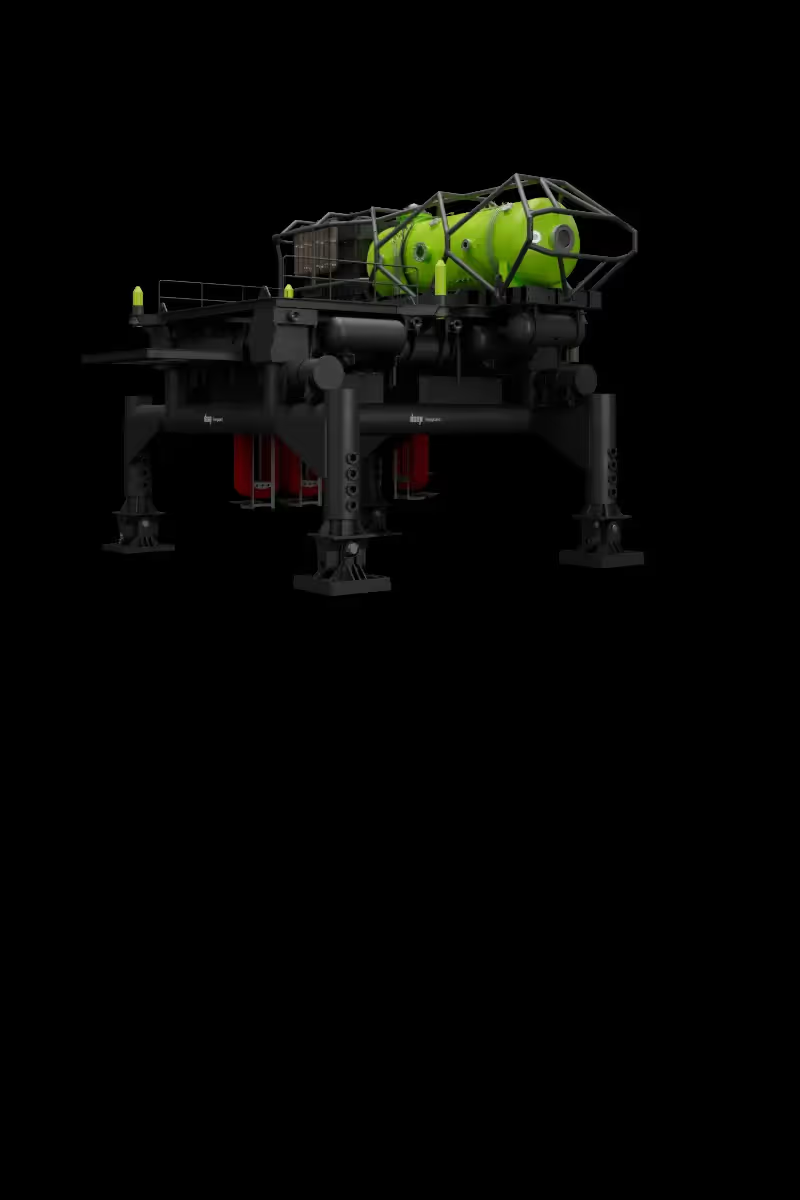
To get to where we are today, component design and manufacture has been reviewed and witnessed by DNV. Vanguard’s three major sections – the wet porch with moon pool for access, the living chamber, and the supporting foundation assembly – were individually approved by DNV for manufacturing under its ruleset. Large components, such as the living chamber and main hatch, have been pressure tested at conditions exceeding their operating conditions, as specified by DNV rules.
Ultimately, Vanguard will be certified once deployed, tested, and inspected underwater.
The next critical steps for Vanguard are:
1. DNV will check the final habitat design and all sub-systems, such as life support and electrical systems.
2. DNV will witness the overall system Factory Acceptance Test (FAT) and the Sea Acceptance Test (SAT) with the habitat on the seabed to confirm the final installation, operation, and compliance of the habitat. At that point, we will have submitted all evidence to allow for the full approval and classification of Vanguard. Once DNV has reviewed and approved every element, a class certificate will be issued.
3. Our relationship with DNV will then continue through regular field surveys and reviews to ensure Vanguard remains within the rules throughout its service. These inspections ensure the habitat has not degraded, for example from corrosion, and that any necessary modifications remain fully compliant with the established standards, maintaining the integrity of the system over time.
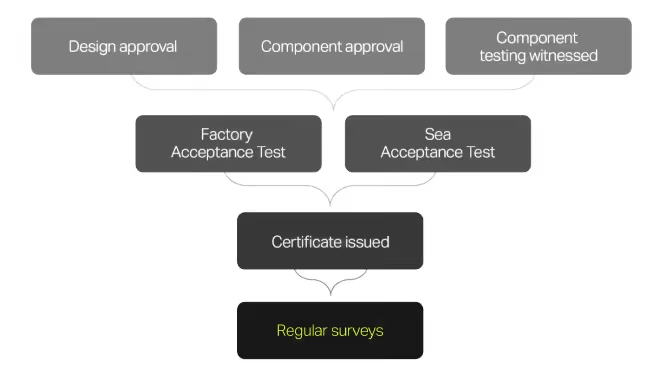
The ideal process for building a classed habitat
Classification is just the foundation for Vanguard
Being in class with DNV will demonstrate that Vanguard has been designed and built according to exacting standards necessary for human habitation under the ocean. This forms the fundamental basis for success.
Once we have final confirmation that the completed Vanguard system is designed and engineered in accordance with DNV regulations, it places us in a strong position for conducting comprehensive risk assessments and meeting other operational requirements.
But in parallel with designing Vanguard to meet classification standards, we are also focused on operating to high standards. Our focus on safety is not limited to the structure itself, but embedded in the way the system will be managed and maintained.
To support this, a world-class operations team led by Roger Garcia, who has 23 years of experience operating the Aquarius Reef Base subsea habitat, is developing detailed procedures and training programs to bring Vanguard to commercial readiness. These efforts ensure that when Vanguard enters service, it will do so with the highest levels of preparedness, professionalism, and assurance.
You can follow our progress by following us on social media @deepengineered and visiting our Newsroom.
.png)
.png)
.avif)
.avif)
.jpg)

.avif)
.avif)