.avif)

Not all scientific research conducted from an underwater habitat focuses on the ocean.
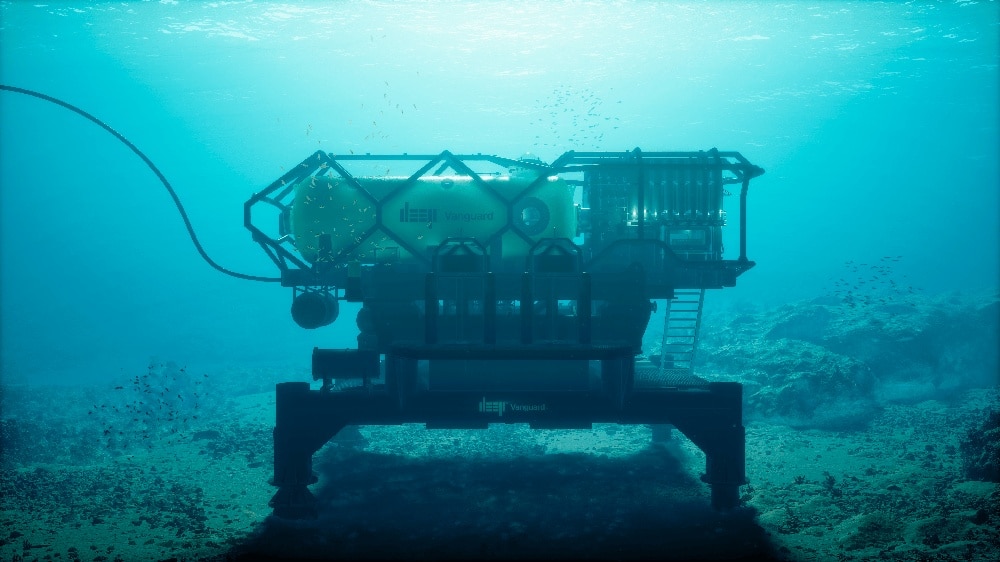
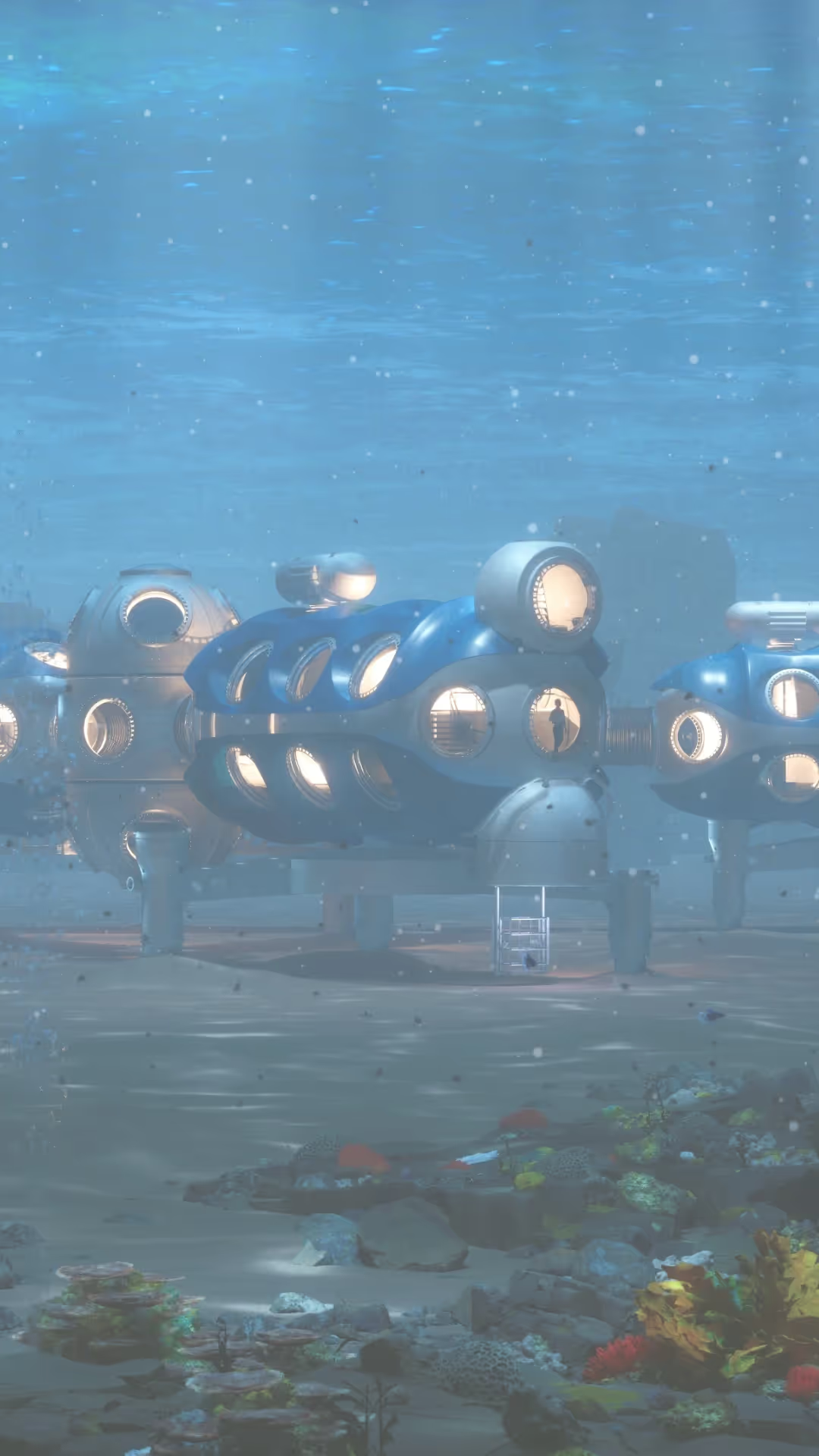
Of course, we’re excited for the possibilities for marine science from habitats. Our pilot habitat, Vanguard, will enable reef restoration and long-term monitoring projects. Marine science will be a driver for any habitat we deploy.
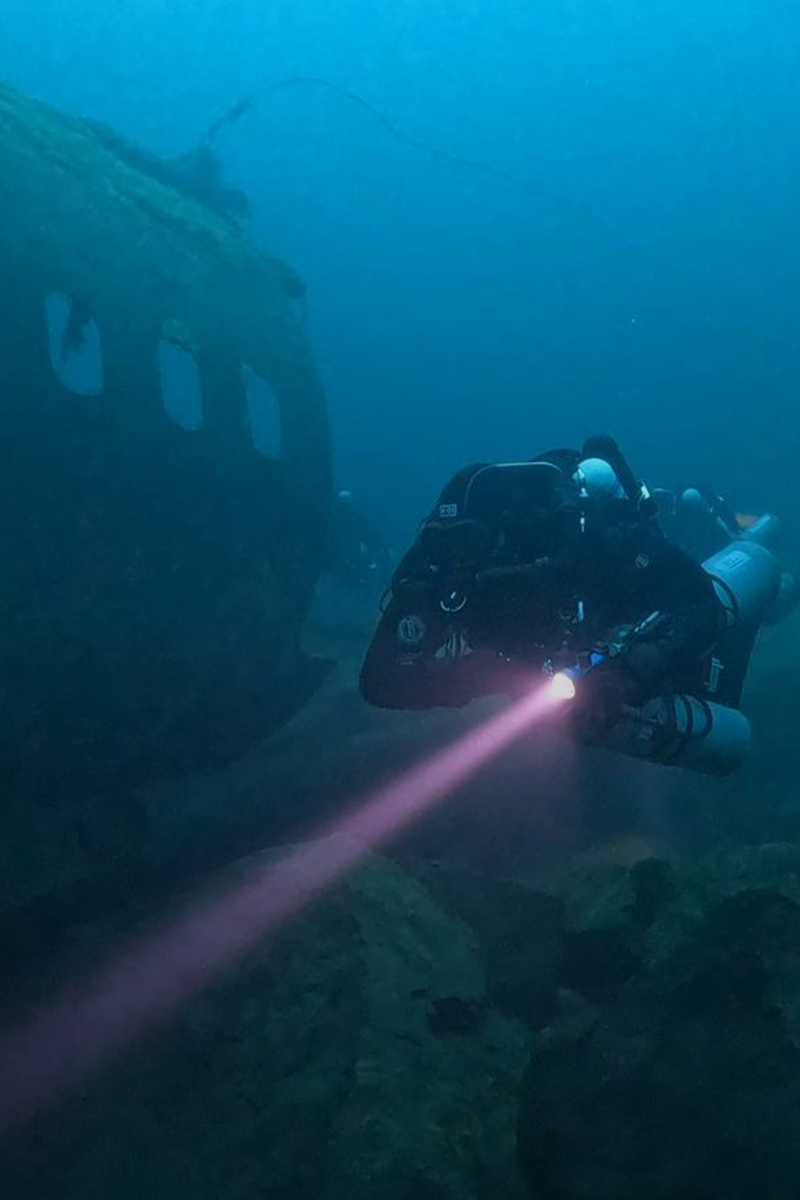
But this is just one area of research. Three broad categories of research opportunities exist when living underwater: marine science, the habitat itself (studying the life support systems and environment for technology development), and – the subject of this blog – the study of humans.
Why study humans in extreme environments?
There’s a long history of studying humans in extreme environments, examining how we adapt to those environments and how we can protect people undergoing those exposures.
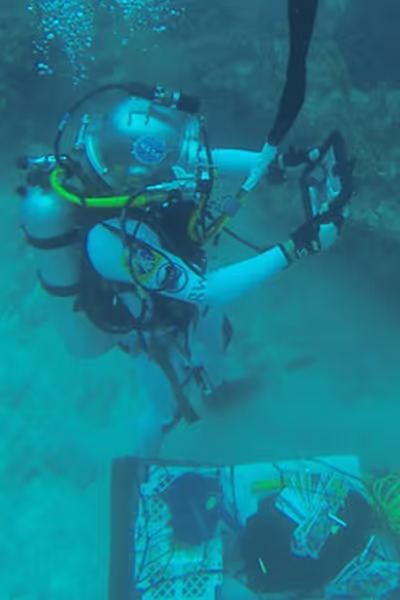
Those of us in the humans in extreme environments field work across different sectors. Space is one of them, high altitude is another, and my realm is undersea. There are similarities across all three of those settings. You're potentially breathing different gases, you're at different pressure exposures, and you see changes in how the body functions, from the molecular level to the cardiovascular and nervous system, to adapt. You're also working in a unique team environment.
These environments are an ideal model for understanding otherwise healthy humans that are subject to a unique exposure. How do their bodies respond to stressors? How can we monitor those changes? How can we make sure the human stays healthy and performs at their best? And then, when that exposure is reversed, how does the body recover?
Insights from this research are shared and applied to other populations. There are so many shared lessons learned from humans in extreme environments that translate back to clinical populations. Changes that occur to the brain, the nervous system, and the immune system in extreme environments can inform our treatment of patients undergoing clinical procedures.
Everything from nutrition to reducing inflammation for individuals working in these environments tracks back to clinical populations and the general population too. One notable example is that studying human spaceflight has informed the care of people undergoing radiation therapy.
Why now for studying humans in underwater habitats?
Much research has been dedicated to studying humans in a saturation diving environment, but a significant number of those studies were done decades ago.
If we think about how much technology has advanced for being able to study humans in extreme environments since then, whether that's being able to look at samples at the cell level or the molecular level, looking at genetic response, or observing human performance, including sleep, nutrition and exercise, we’re infinitely better equipped today to understand how to keep humans as healthy as possible and to help them work to the best of their ability in that environment.
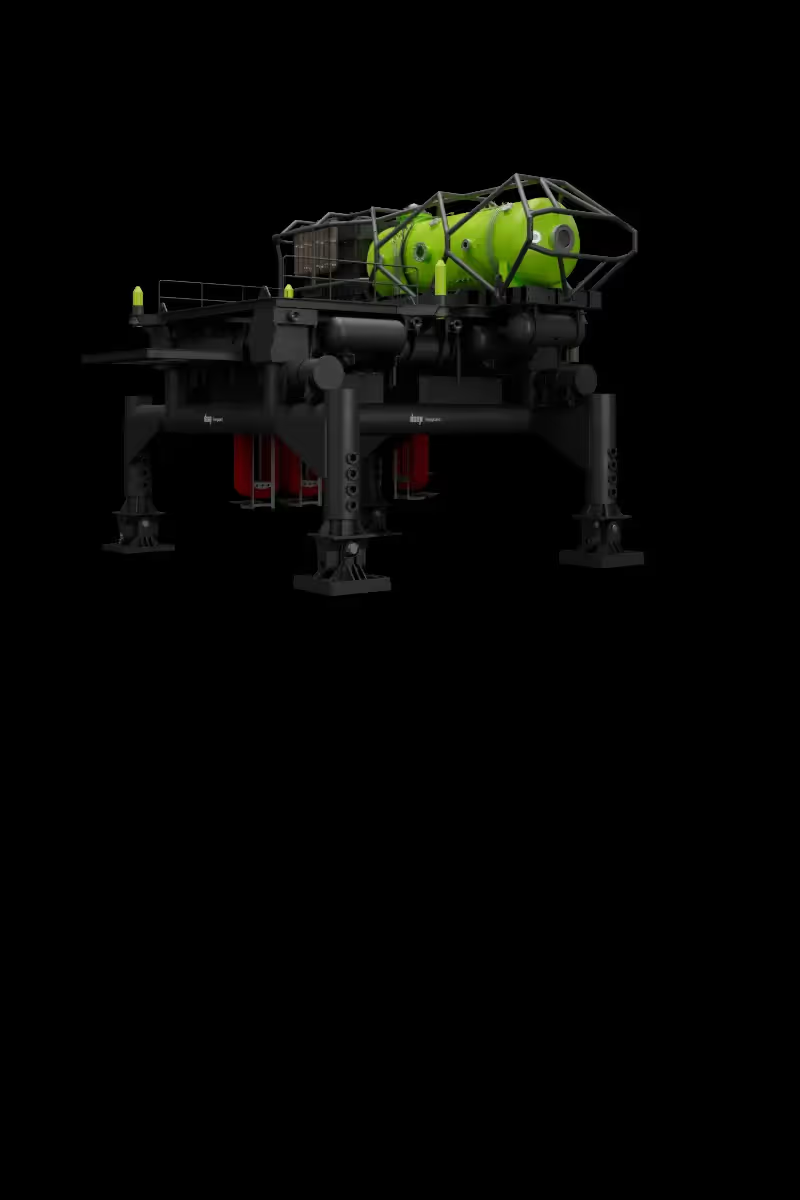
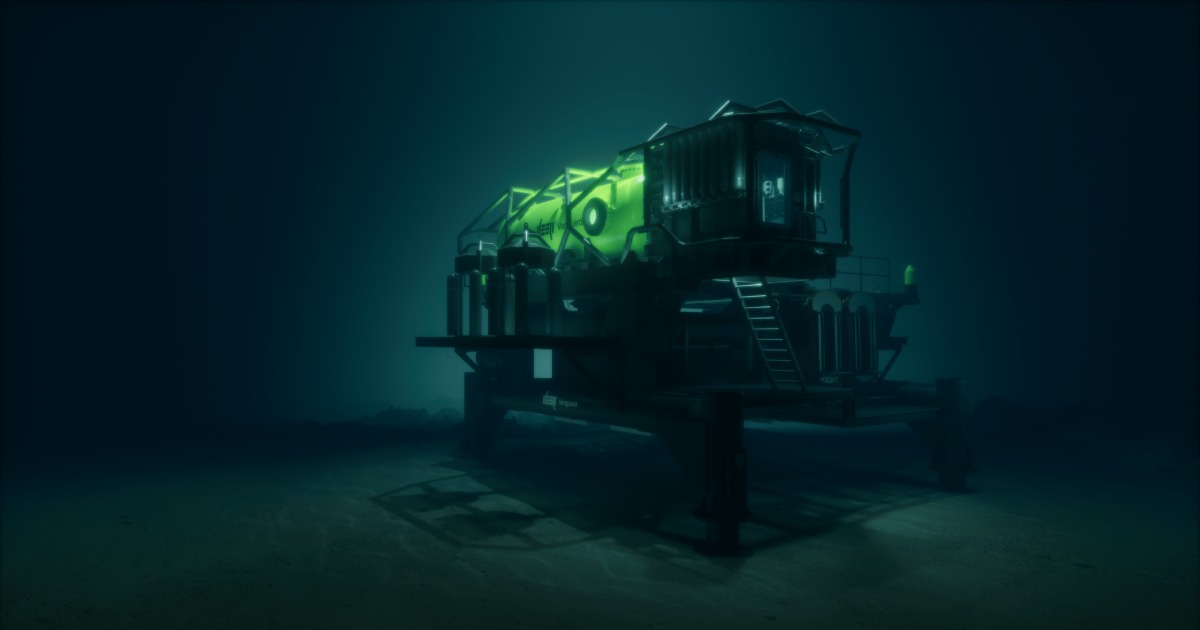
An underwater habitat itself, like Vanguard, is a functioning laboratory. We’re really excited about being able to integrate technology in our pilot habitat, making it essentially an undersea lab.
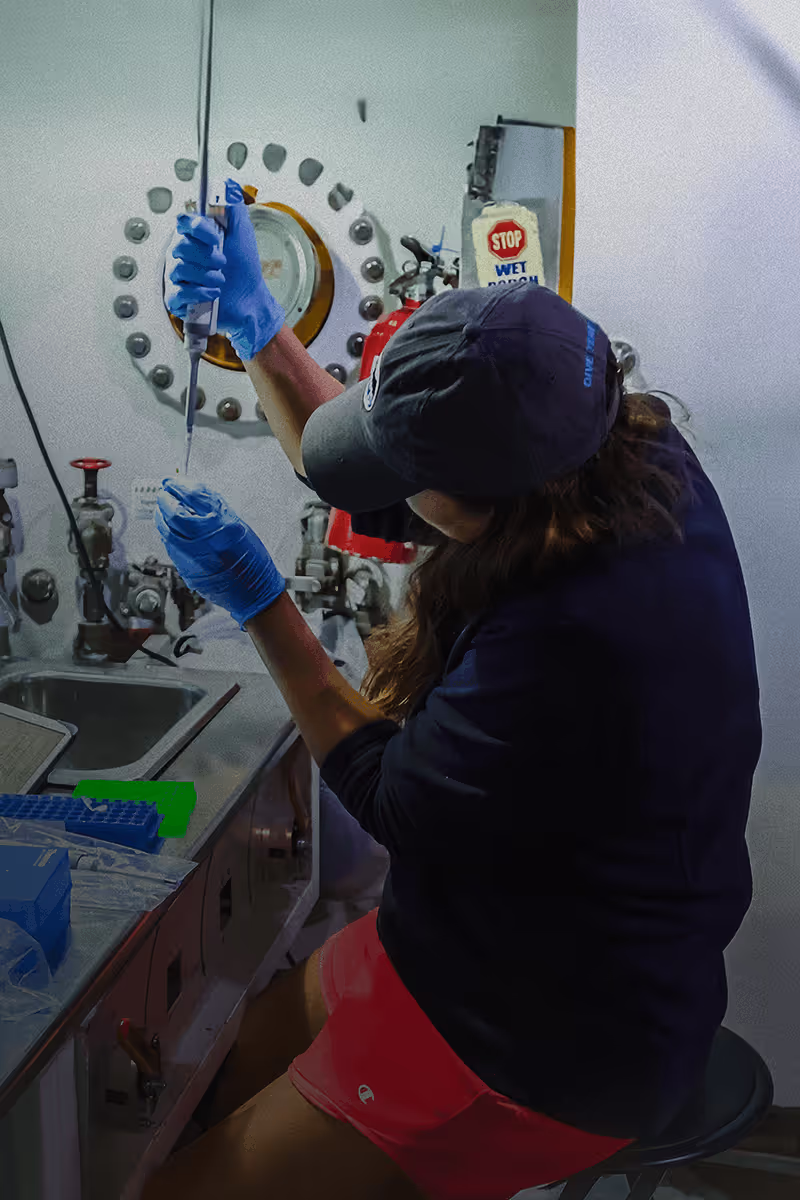
I’ve worked on undersea projects where we’ve collected blood and tissue samples from divers at depth, but when we bring those samples back to the surface to process them, what you observe is not just what’s happened to that sample at depth, but you are also observing changes associated with the decompression process.
The ability to monitor changes to human biology at the cellular and molecular level in real time by taking samples while crew are stationed on the ocean bed, and processing those samples in situ, is going to be a gamechanger across several disciplines, including undersea and hyperbaric medicine, immunology, and extreme environment physiology.
What insights can we gain underwater?
In the same way people living at high altitude or for extended time in space has led to discoveries with wider health implications, subsea habitat research will have broader benefits.
Here are some of the ways research from Vanguard could inform various clinical insights:
- Extreme-environment research reveals how the body responds when conditions, such as oxygen levels, pressure, temperature, or workload, change from normal conditions experienced by humans. For clinical populations, this research informs management of hypoxia and oxygen therapy in ICU patients, and leads to an improved understanding of cardiovascular responses to stress and insights into fluid balance and tissue perfusion.
- Divers rely on continuous monitoring to detect subtle physiological changes before they become dangerous, emphasizing the value of real-time physiological monitoring (heart rate variability, oxygen saturation, CO₂ levels). Research and development of continuous monitoring of healthy humans in extreme environments supports the development of predictive warning systems for clinical patients.
- Extreme environments require rigorous risk assessment, redundancy, and procedural discipline, often in the setting of physiological stress, fatigue, and high cognitive load. Pre-dive or other operational safety checklists parallel surgical safety checklists. Team communication strategies undersea (and in other extreme environment operations) resemble crew resource management used in medicine, providing opportunities for practitioner research and training.
- Research on pressure changes and inert gas dynamics in divers has significant medical implications, including treatment and understanding of gas embolism, hyperbaric oxygen therapy (for approved conditions such as carbon monoxide poisoning, wound healing, radiation injury), and management of ischemic injuries.
- Divers and explorers face extreme cold or thermal loads, which reveal mechanisms of thermoregulation that can be applied to clinical management of hypothermia or hyperthermia, improved perioperative temperature management, and therapeutic hypothermia in cardiac arrest patients.
- Long-term exposure studies show how humans adapt physiologically and psychologically to stress. As we learn how to best protect the human prior to living and working extreme environments, there is significant translation to how we can protect patients undergoing clinical procedures that can create physiological stress (for example, pre-protection prior to radiation therapy or surgery).
.png)
.png)
.png)

.avif)
.avif)
.jpg)

.avif)
.avif)