.avif)

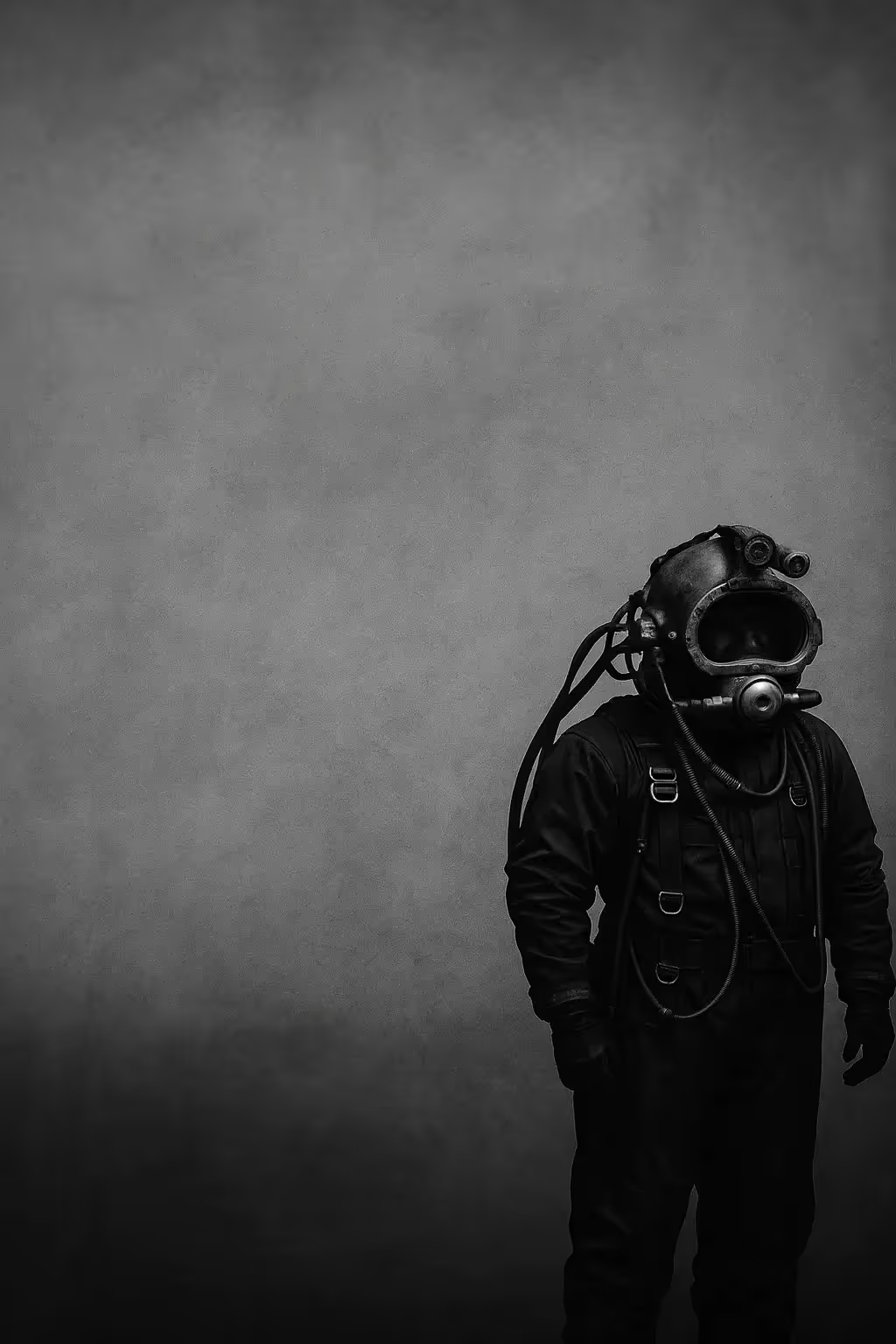
We need saturation divers. Not just the kind you might be thinking of, who you’ll find torquing bolts on a pipeline flange at 300 meters deep.
The well-known application for saturation diving is in the commercial offshore space, particularly in the oil and gas industry. These roles are critical, but the ability to have long and productive dives at greater depths will benefit a much broader community of divers.
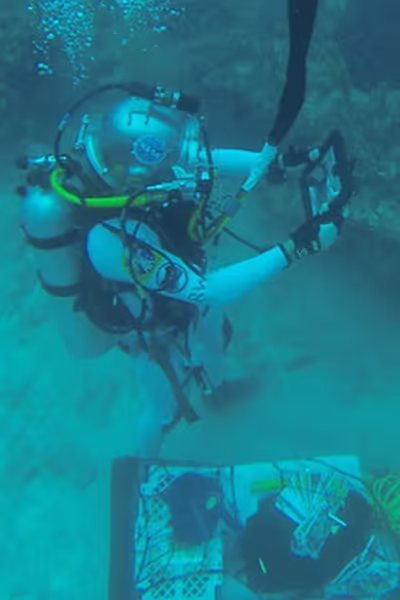
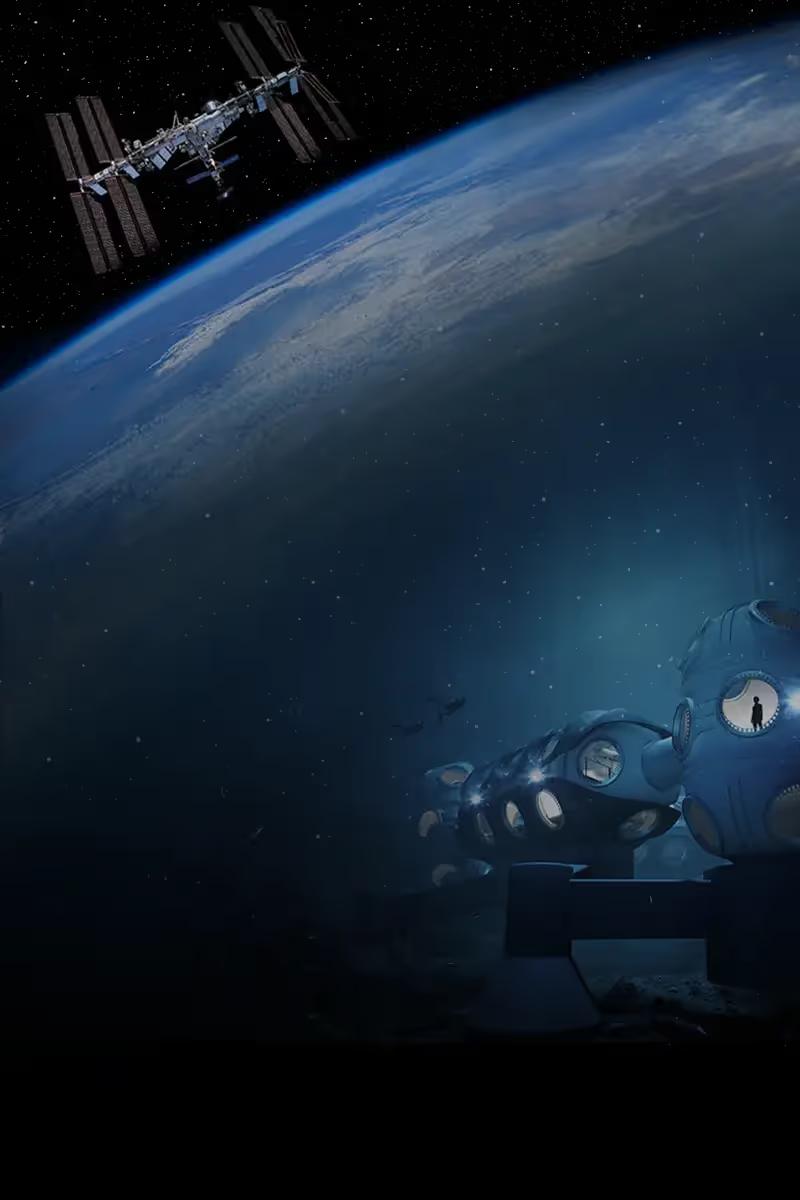
Saturation diving dramatically expands what can be accomplished underwater. It can support military and astronaut training (the underwater environment is a close analog for spaceflight), large-scale coral restoration and other conservation work, and advanced research into ocean environments and human physiology.
But until now there hasn’t been an established pathway or an abundance of training programs for these users to become saturation divers.
This was the rationale for bringing a saturation diving training system to DEEP Campus. The goal is to offer both offshore and non-commercial divers a route to saturation diving, within the guardrails of the UK’s Health and Safety Executive (HSE) and its Approved Codes of Practice(ACOPs).
Why access to the ocean matters
Why does it matter if a broader community of divers can carry out saturation dives?
Because the ocean is the largest and least accessible environment on our planet, and our ability to understand and protect it depends on humans being able to spend meaningful time working within it.
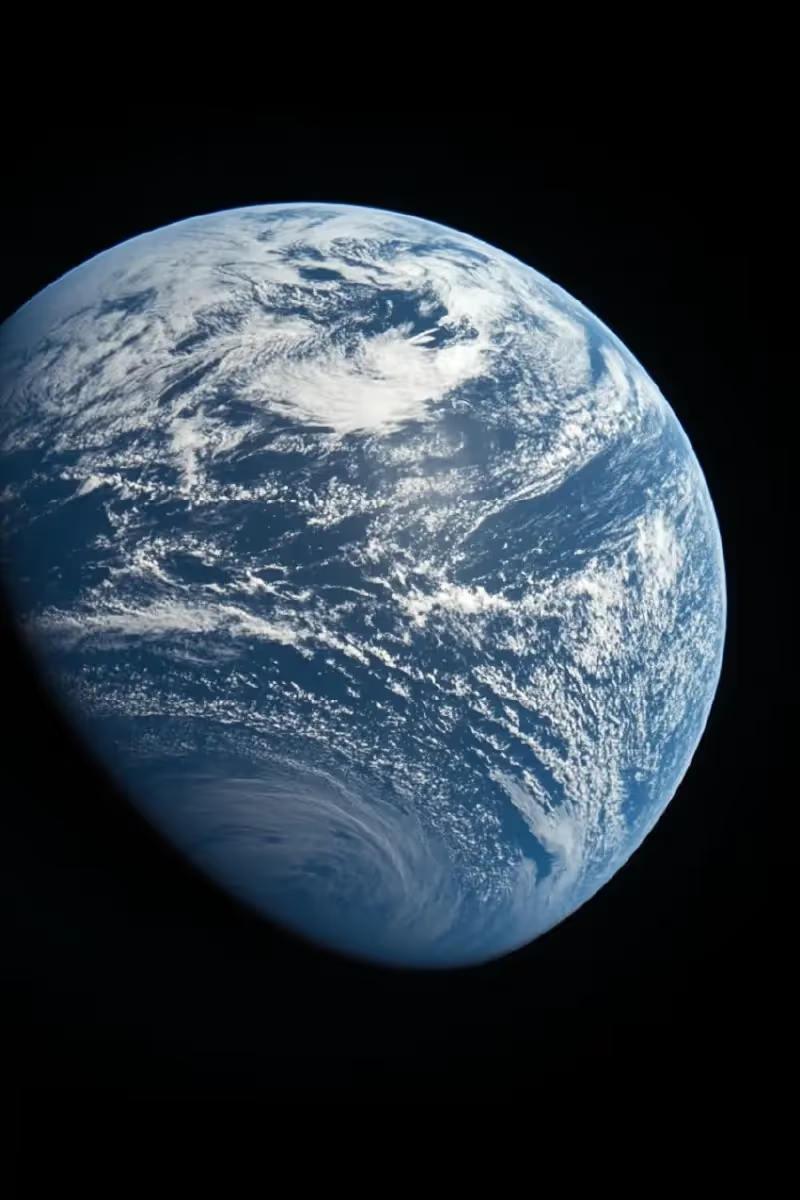
About 70% of the Earth’s surface is covered by water. When considered by volume, the ocean represents an even greater share of the planet’s living space – more than 99% of the Earth’s habitable environment.
One of the most important areas of the ocean is the continental shelf. The submerged perimeter of continents that stretches from the coastline down to roughly 200 meters is a critical zone. These waters are dense with marine life, complex ecosystems, coral reefs, natural resources, and culturally significant sites. Human activity is already deeply involved in this space and continues to shape it in profound ways. Yet we still lack effective and sustained access to it.
If we want to truly understand our planet, advance scientific knowledge, and protect marine environments, we need the ability to access this part of the ocean for sustained periods of time. That includes direct interaction and observation from humans working in the water.
Diving techniques such as scuba or closed-circuit rebreather work well and efficiently down to around 50 meters. At these depths, decompression can be effectively managed, and divers still have enough bottom time to explore, conduct research, or complete their tasks.
When you descend below 200 meters, manned submersibles can be an effective option. But at shallower depths, the infrastructure required to support them – such as dedicated vessels and support systems – can make them prohibitively expensive. Equally, manned submersibles cannot stay submerged indefinitely.
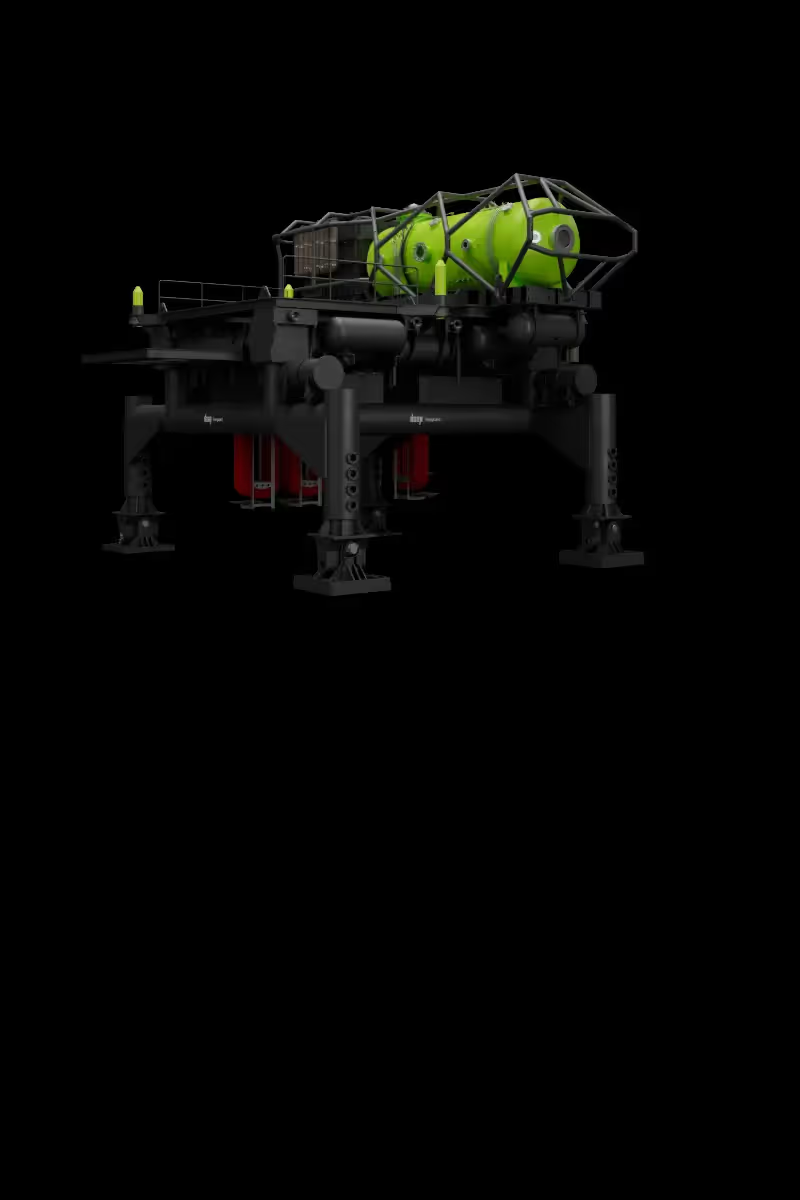
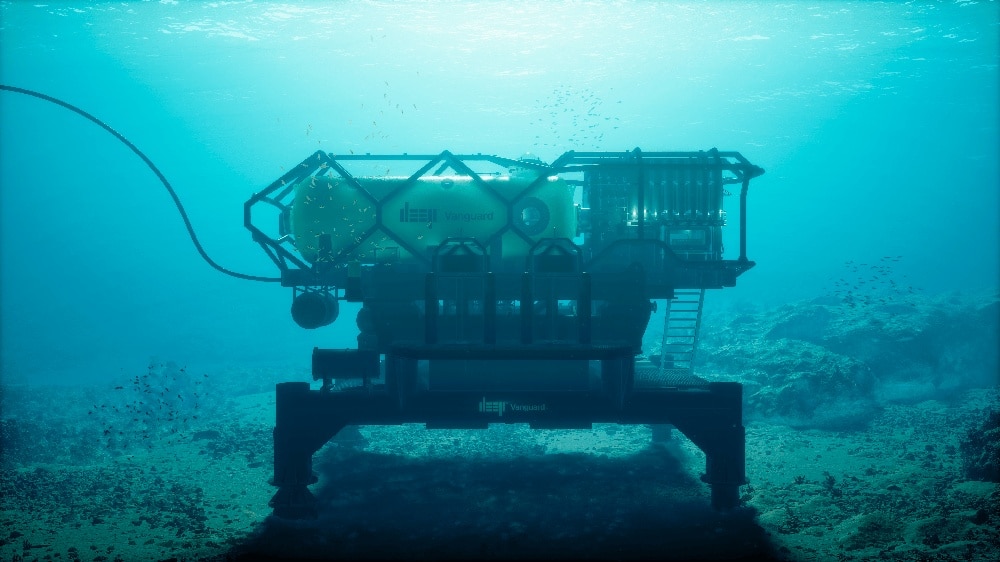
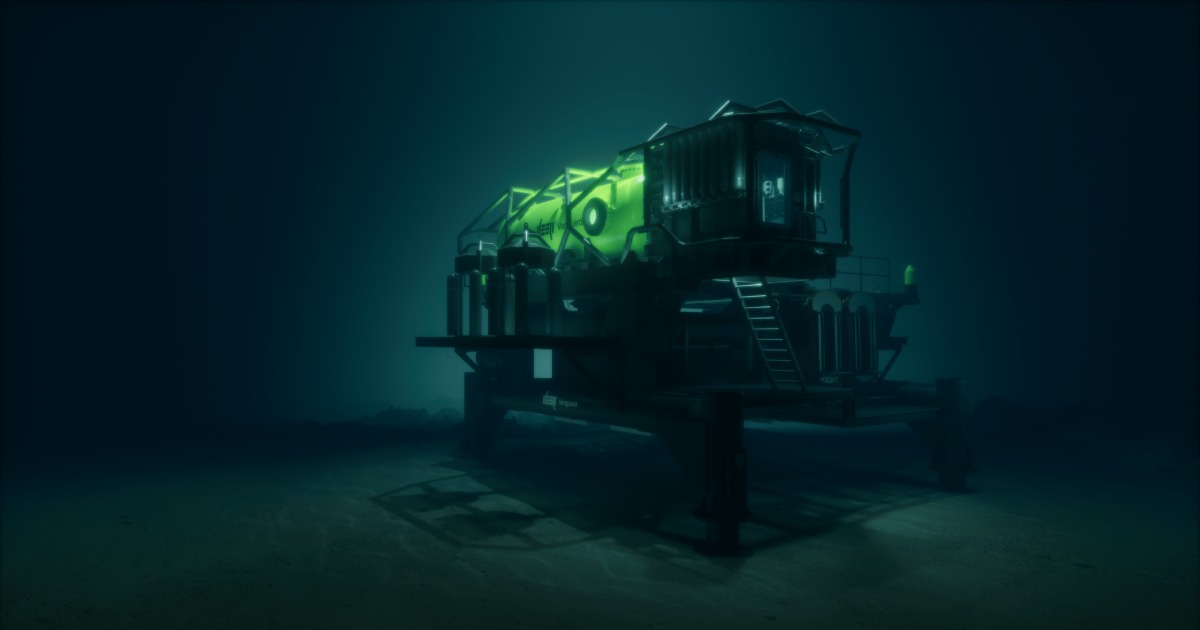
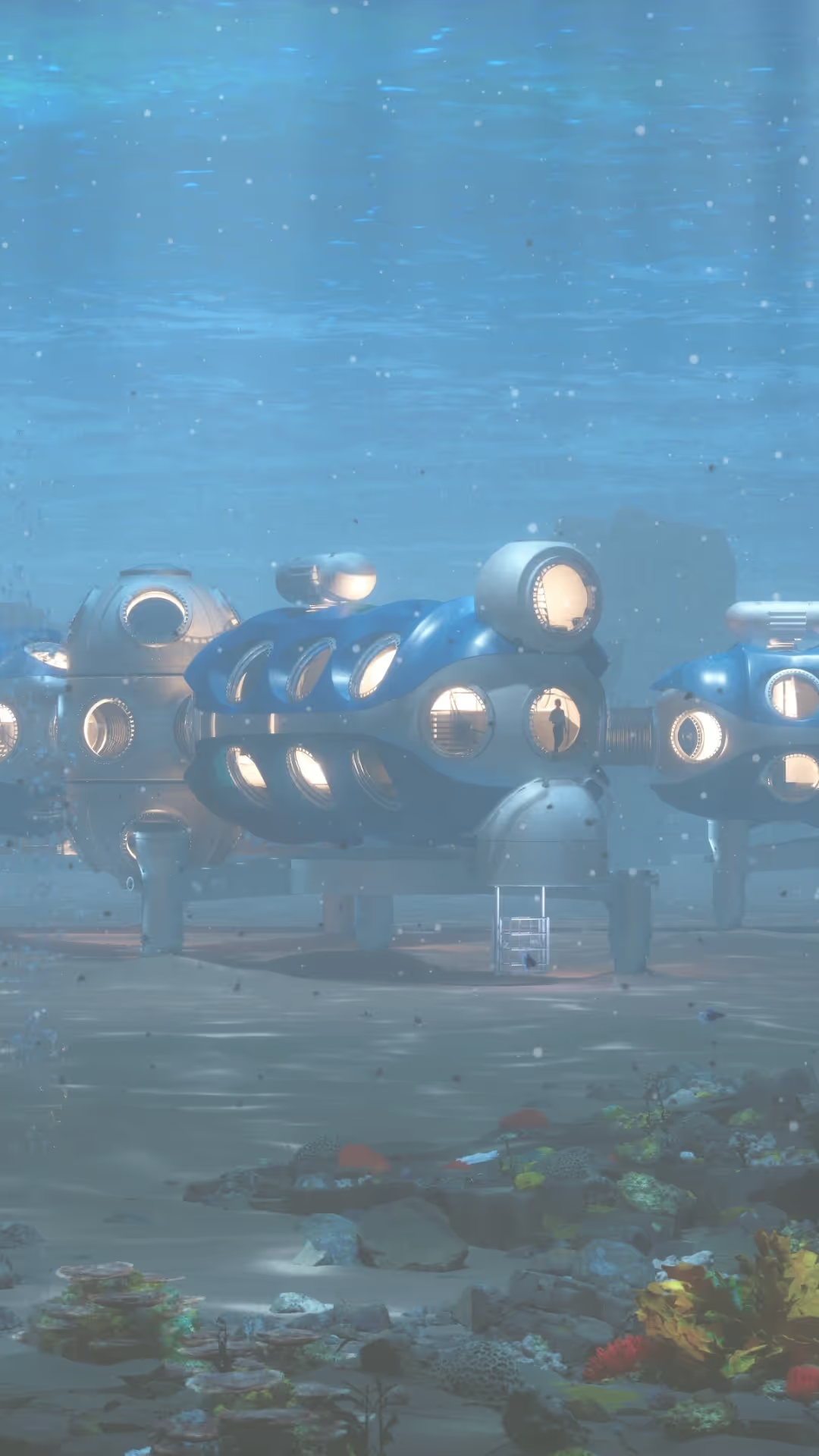
Saturation diving techniques hold the key to unlocking the 50–200-meter depth range. By allowing divers to live under pressure, such as in an underwater habitat like Vanguard, saturation diving makes it possible to work safely and productively for extended times.
But saturation diving requires specialized training and experience.
What is DEEP’s saturation diving training facility?
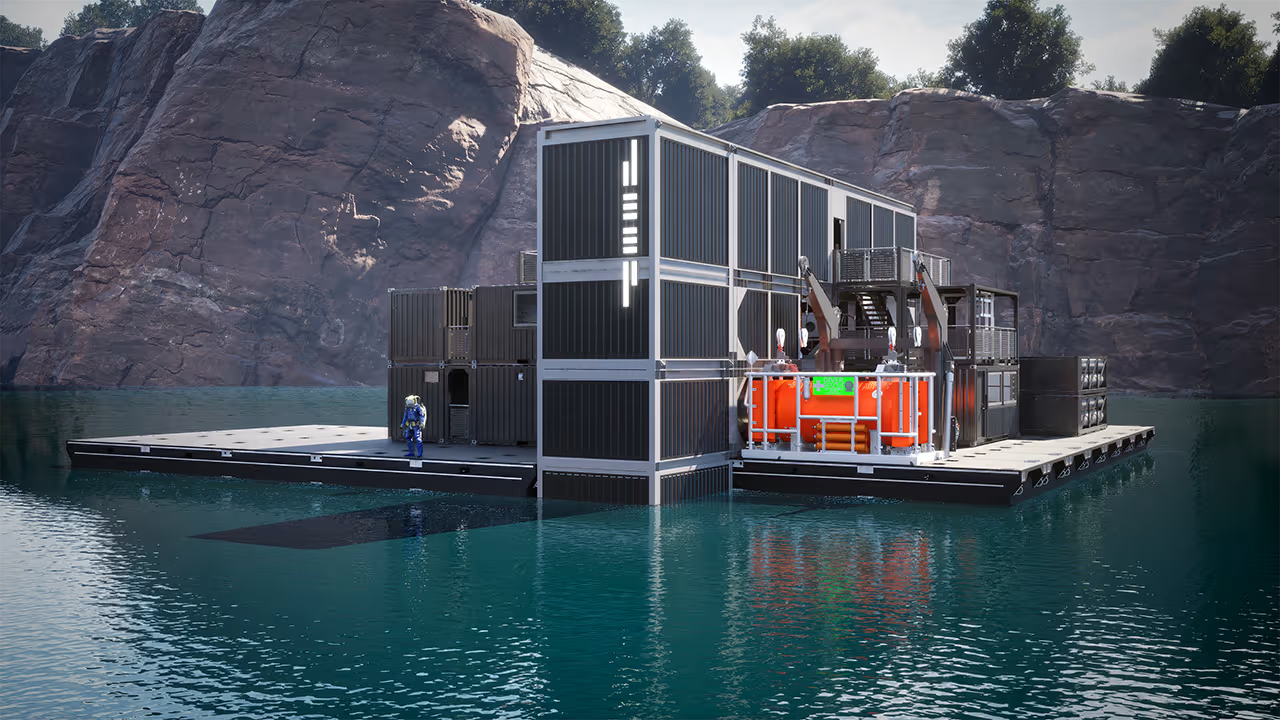
The DEEP Saturation Training Facility (DSTF) is designed to give trainees hands-on experience with a real-world saturation diving system. Installed on the water at DEEP Campus, the facility allows divers to train using the same equipment and procedures used in the offshore industry.
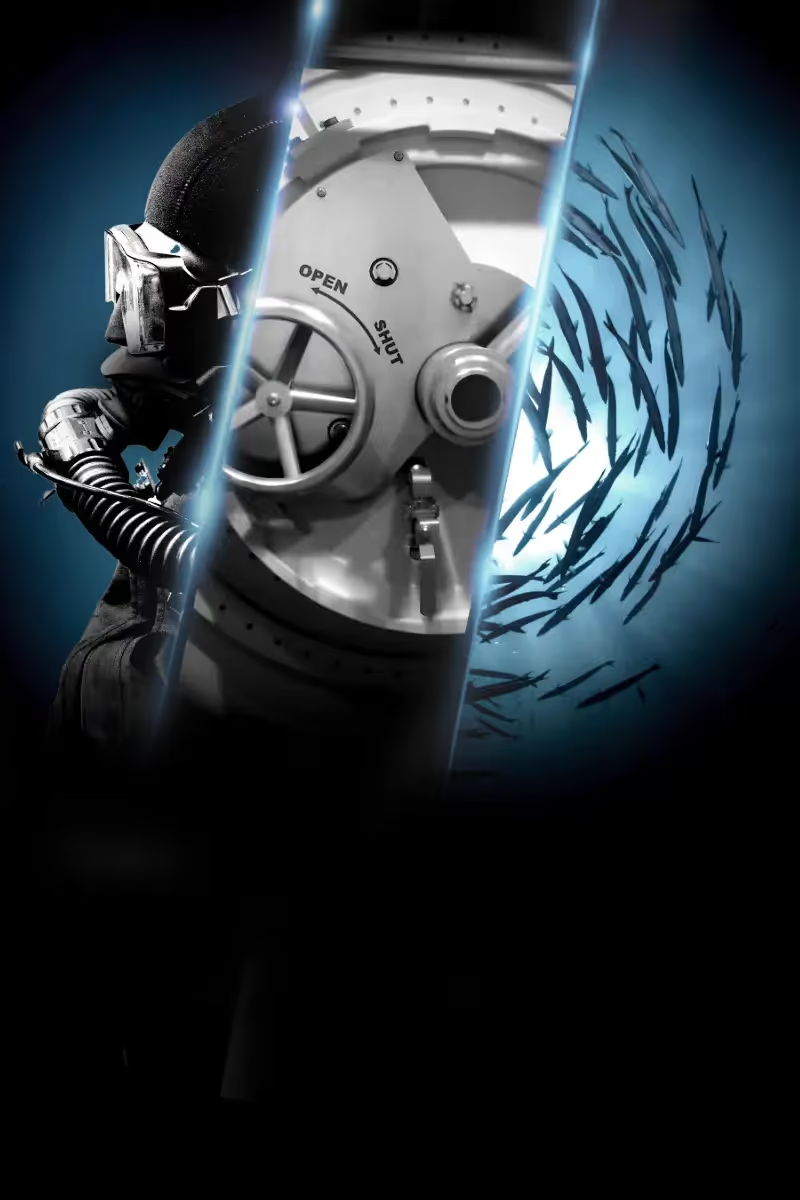
At the center of the facility is a complete six-person portable saturation system with a three-person closed diving bell (used to transport divers between the surface system and their underwater work site), and a Hyperbaric Rescue Craft (HRC) and Life Support Package (LSP). Together, these components create a complete training environment where divers can safely develop the skills required for saturation diving.
The training facility will be used to train divers to safely operate in saturation using a full commercial-style bell diving system. Initially, the facility may support training for offshore industry divers, but its purpose is broader – to provide a pathway for experienced divers from scientific, research, military, and other communities to develop the skills needed to work underwater for extended periods.
Experienced surface-supplied divers divers can advance into saturation diving through one of our professional diving training courses, delivered at our facilities in the UK and the US.
Saturation training and the underwater habitat program
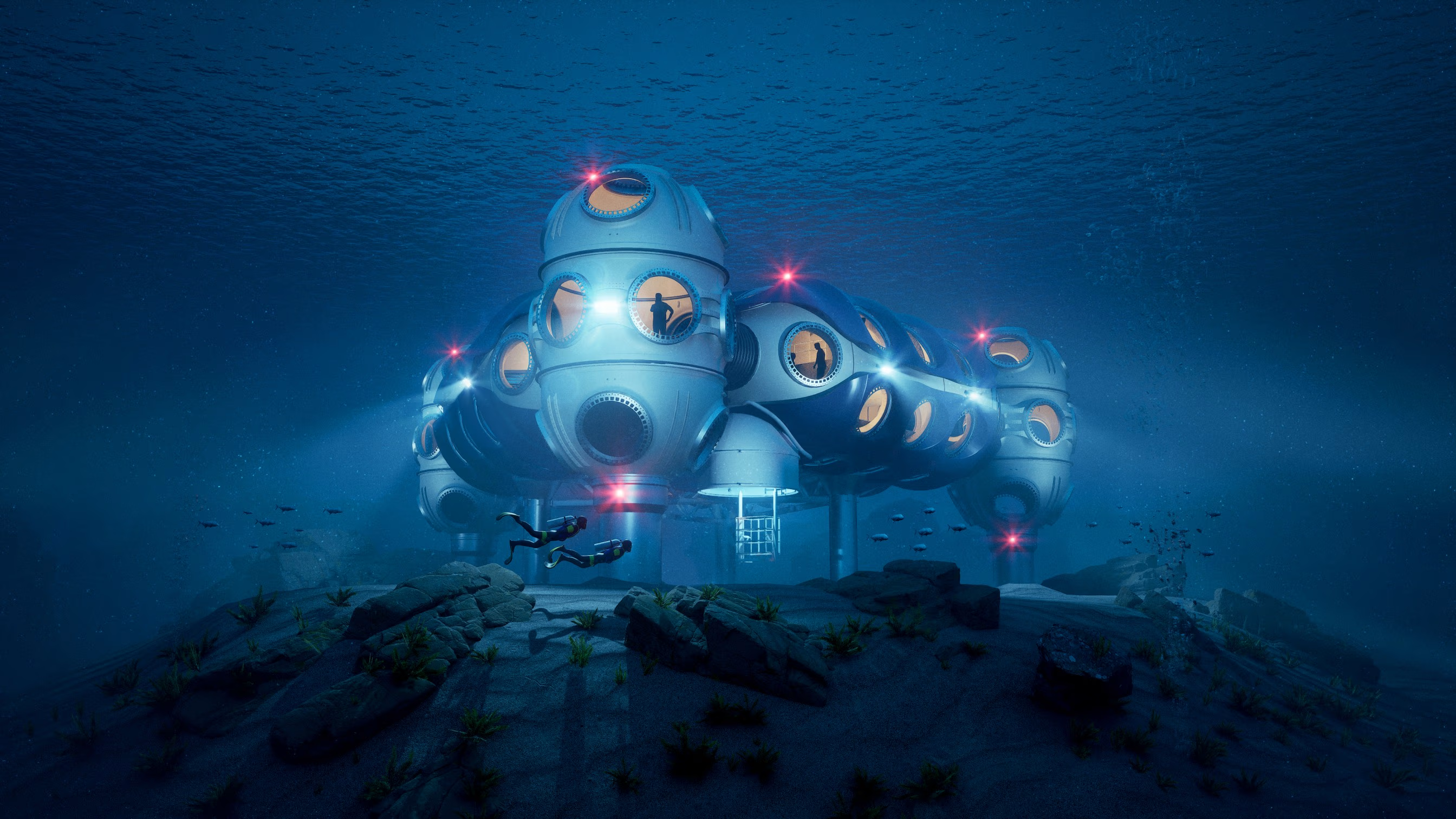
The saturation training system is an important part of DEEP’s broader underwater habitat program. Living and working from an underwater habitat means divers are operating in saturation. Much like in a closed bell system, they remain under pressure for extended periods while carrying out their work, only with a habitat, the living chamber sits on the seafloor rather than the surface.
To do this safely and effectively, divers must understand how saturation affects the body, how to manage life-support systems, and how to work productively while living under pressure. Training on a closed bell system is an excellent, high-fidelity way to train for habitat diving.
The systems used in closed bell saturation diving and underwater habitats share many similarities. Closed bell diving systems, saturation chambers, and life-support systems all operate on the same core principles of keeping people safely under pressure while allowing them to work at depth. Training divers on a closed bell system allows them to gain the operational knowledge and discipline required to work from an underwater habitat.
As DEEP progresses along its roadmap for underwater habitats and seeks to engineer solutions at greater ocean depths, a closed bell system could be needed to transfer divers between the habitat and surface under pressure. Again, making experience with a closed bell system invaluable.
Building the skills to live underwater
DEEP’s mission is to Make Humans Aquatic, and training is a critical part of turning that mission into reality. The saturation diving training facility is a foundational step in building the skills and operational standards required for sustained human presence underwater. It represents an important milestone in DEEP’s journey, and I’m excited to bring this unique capability and training opportunity to the wider diving community.
.png)
.png)
.avif)
.avif)
.jpg)
.avif)
.avif)