.avif)
When I talk to people about DEEP and my role engineering subsea human habitats, the first response is typically, “wow”. Then they’ll probably have a question or two about how we manage the risks involved.
That’s understandable, because living and working underwater isn’t risk free and it demands absolute rigor. The short version is: we build and operate from a risk conscious approach, grounded in solid science and engineering, and backed by independent oversight.
We’ve taken every precaution to ensure our habitats are fit for purpose, responsibly operated, and held to the highest possible standards by our own teams and through external scrutiny.
Here are some of the most frequently asked questions we get asked in relation to how we manage risk.
What happens if there’s an emergency on Vanguard?
A lot of thought has gone into emergency readiness.
DEEP’s approach combines layered fail-safes including back up supplies of breathing gas and power, diver refuges, surface support, robust medical capability, and well-rehearsed procedures.
During missions there will always be personnel trained in dive medicine present. Any medical issue will be assessed and treated according to severity, and not all incidents will require the crew to leave the habitat. First-aid provisions include oxygen by mask and manual artificial ventilation, and bleeding control measures. There are also provisions for advanced medical care, such as intravenous fluids, airway management and intubation capability, and medications for infection control and treatment.
Equipment to perform medical examinations and hyperbaric or recompression therapy will also be available via swift transfer to our shore-based chamber or a nearby hospital with hyperbaric treatment capability. We also have a vessel-installed decompression chamber for decompression outside of Vanguard.
We’ve developed emergency operating procedures which incorporate learnings from previous habitats. That includes procedures for smoke and fire, a contaminated atmosphere, flooding, loss of air, storm response, evacuation, and decompression treatment – just about everything you could think of.
How does Vanguard compare to OceanGate?
I get asked this often. And I understand why. The loss of Titan was a tragedy, and it deserves a serious answer.
But here's the honest engineering answer: Vanguard and Titan are not comparable – not technically, not operationally, not in any meaningful sense.
Titan operated at 3,800 meters. At that depth, the pressure differential on a vessel is enormous. If the structure fails, it fails instantaneously and completely. There is no warning, no window for rescue, no intervention capability that can reach that depth in time. The crew had no survivable margin.
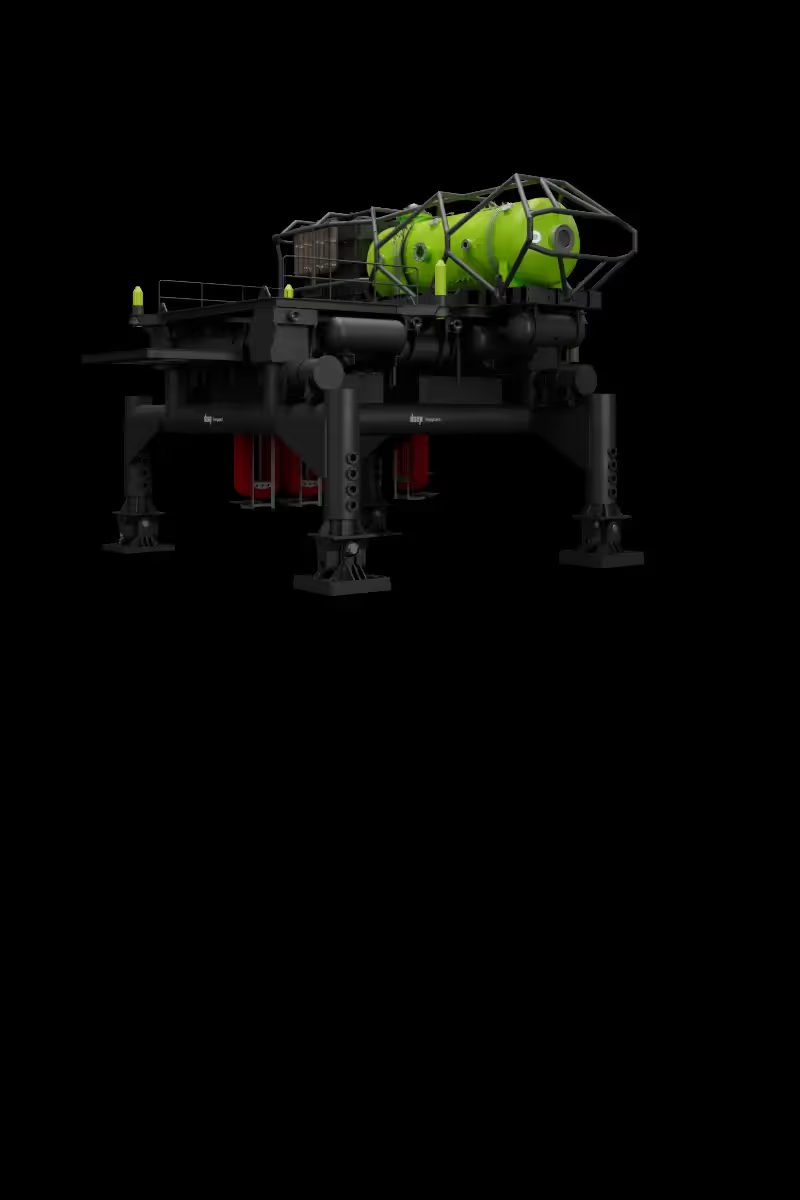
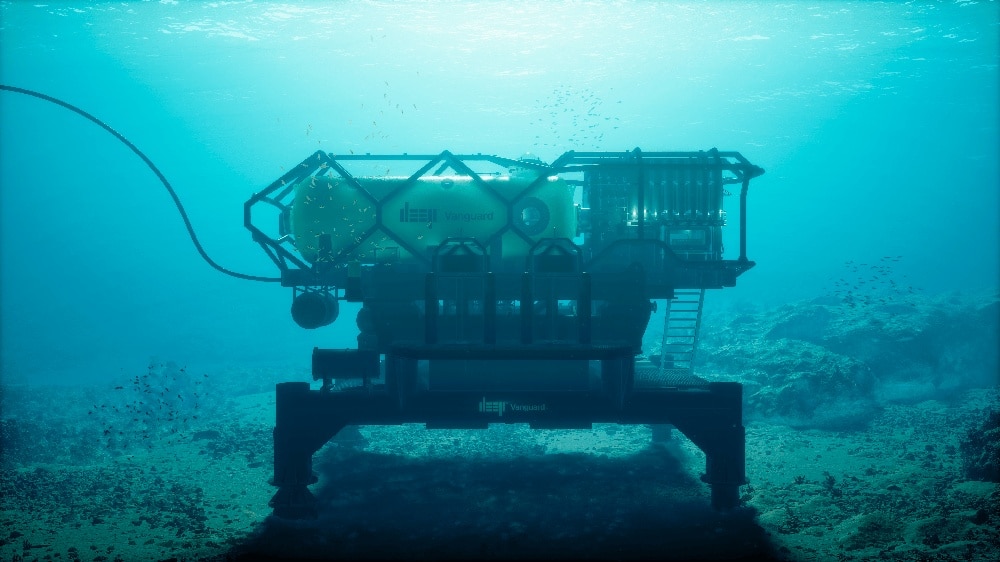
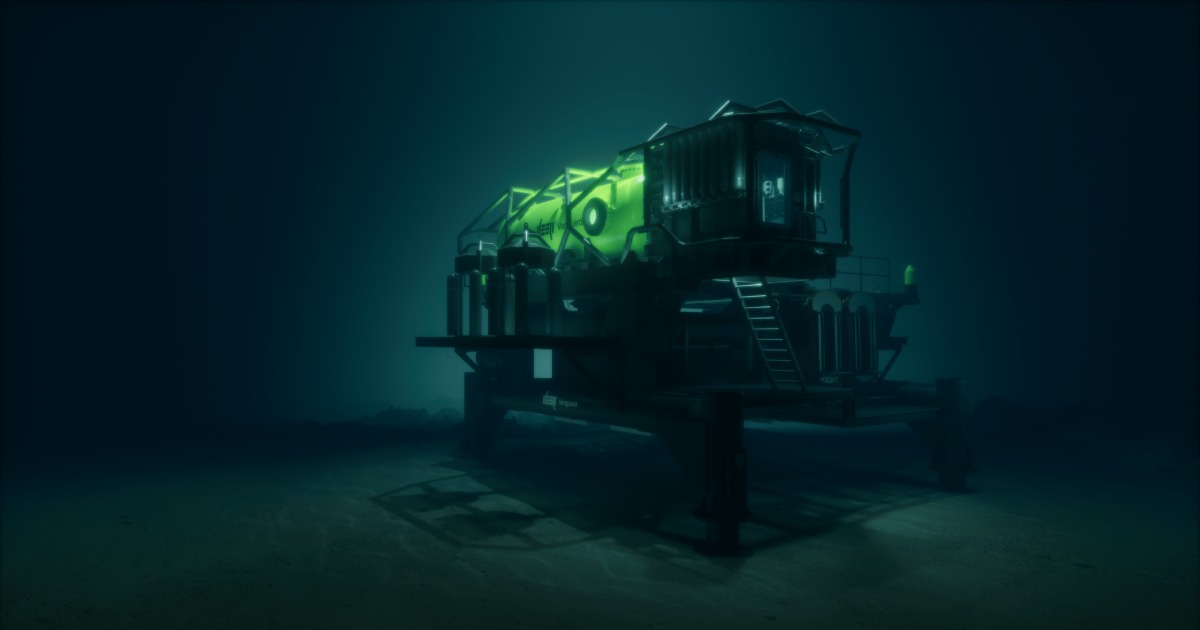
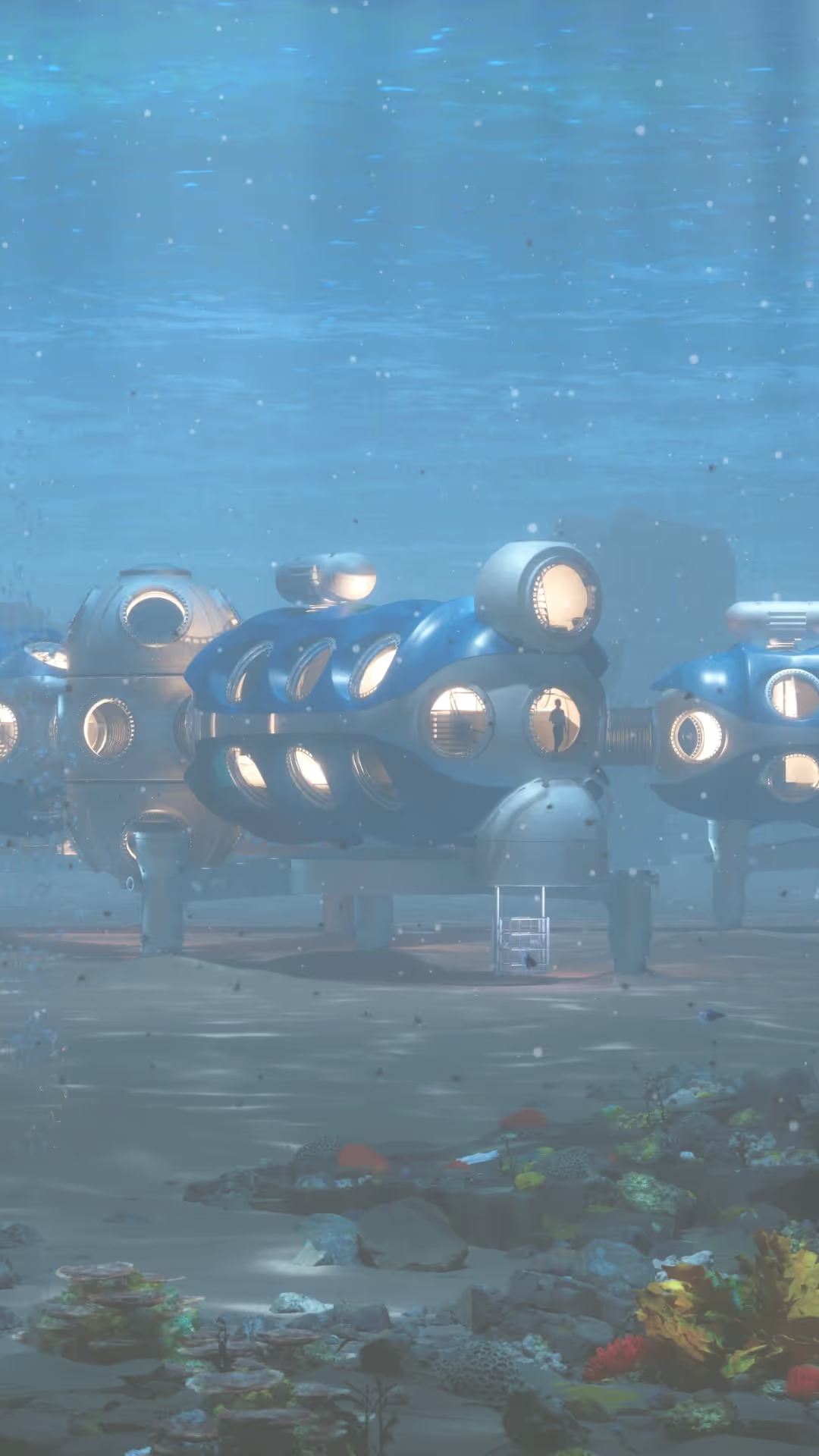
Vanguard operates at a living depth of 13 meters. It is an ambient pressure habitat, which means the air inside matches the pressure of the water outside.
At 13 meters, if something goes wrong, the crew can leave. Aquanauts carry bailout bottles for emergency ascent at any time. And if a direct ascent to the surface is not immediately possible, two pressurized refuges sit on the baseplate next to Vanguard – safe havens where crew can stabilize, breathe, and wait for support divers from our shore base at Marathon.
At Vanguard's depth and pressure, vessel degradation does not happen instantaneously – it develops gradually, as corrosion or leaks, detectable and manageable. There is no scenario that mirrors what happened to Titan.
Aquarius Reef Base operated at a similar depth in the Florida Keys for decades. The physics, the decompression protocols, the egress procedures – all well-understood and well-proven. Vanguard is built on that foundation.
My background is in engineering for human space flight. Both environments – space and the ocean – demand rigor, diligence, and safety. At DEEP we approach Vanguard with that same engineering discipline. Part of that is classification with DNV.
DNV is one of the world's leading independent classification and risk management organizations. They set the rules. They scrutinize the design. They assess whether what you have built adheres to the highest subsea engineering standards – and they do not take your word for it. Vanguard will be the first subsea human habitat to be classed under the DNV ruleset. That matters because it means every significant engineering decision we make has been reviewed and validated by an external expert body with no stake in the outcome, other than getting it right. It is the same model used in commercial aviation and offshore energy – industries where the consequences of failure are severe and the standards reflect that.
This is one of the clearest answers I can give to anyone who asks whether DEEP takes safety seriously.
What is a classed subsea habitat?
Certification, often referred to as ‘being classed’, is the process of having an independent classification society, verify that a habitat’s design, build, and ongoing condition meet a defined ruleset.
Classification societies set technical standards and carry out audits and surveys to confirm an asset is built and maintained to those standards, which is a good thing because it brings independent scrutiny and broad expertise into the design certification process.
For Vanguard, DEEP has worked closely with DNV, a leading international marine technology assurance and risk management company. In fact, Vanguard will be the first underwater habitat to be classed by DNV under their ruleset, helping set new global standards for subsea human habitats.
Are DEEP habitats tested and maintained?
Yes. DEEP habitats are designed to be classed and operated to stay in class, which means they’re held to independent standards by a classification society rather than internal assurances. That independent scrutiny matters and is why Vanguard will be classed by DNV before commercial operations begin.
Vanguard’s design and key components have gone through rigorous testing both in and out of the water before they come together as a complete system. The full habitat then progresses through formal end-to-end verification, including factory acceptance testing and sea acceptance testing.
We implement a rigorous ongoing maintenance and asset management system to keep every system fit for purpose over time. That will mean planned inspection and preventative maintenance, so the habitat remains mission-ready throughout its life.
How is Vanguard designed to withstand the pressure at depth?
Vanguard’s pressure vessel (the living and working chamber at the heart of the habitat) is constructed from steel, with acrylic viewports. Both materials have decades of proven performance in subsea environments. These are not experimental choices. Steel pressure vessels and acrylic viewports have been the backbone of commercial saturation diving systems operated safely around the world for more than half a century.
The materials used in Vanguard's construction were chosen precisely because their behavior under pressure and in water is well understood. The engineering case for each is backed by evidence and rigorous testing.
Can anyone spend time on Vanguard?
While we want as many people as possible to experience what life is like living underwater, there are necessary competency requirements for diving on Vanguard.
What’s the environmental risk of Vanguard?
The principle that guides us is this: we’re providing access to observe, not disturb. This impacts where and how we deploy habitats. For example, Vanguard’s placement is on a sand patch, in an area free from sensitive marine resources, avoiding damage to reefs and other ecosystems. Comprehensive benthic surveys were undertaken to ensure deployment will not harm sensitive marine life or disturb coral.
Tennessee Reef is a distinctive site. The coral reef nearby contains a deep spur-and-groove system with unique deepwater, slow-growth corals and sponges. It’s an area of huge scientific importance and Vanguard will amplify the amount of research that can be done there.
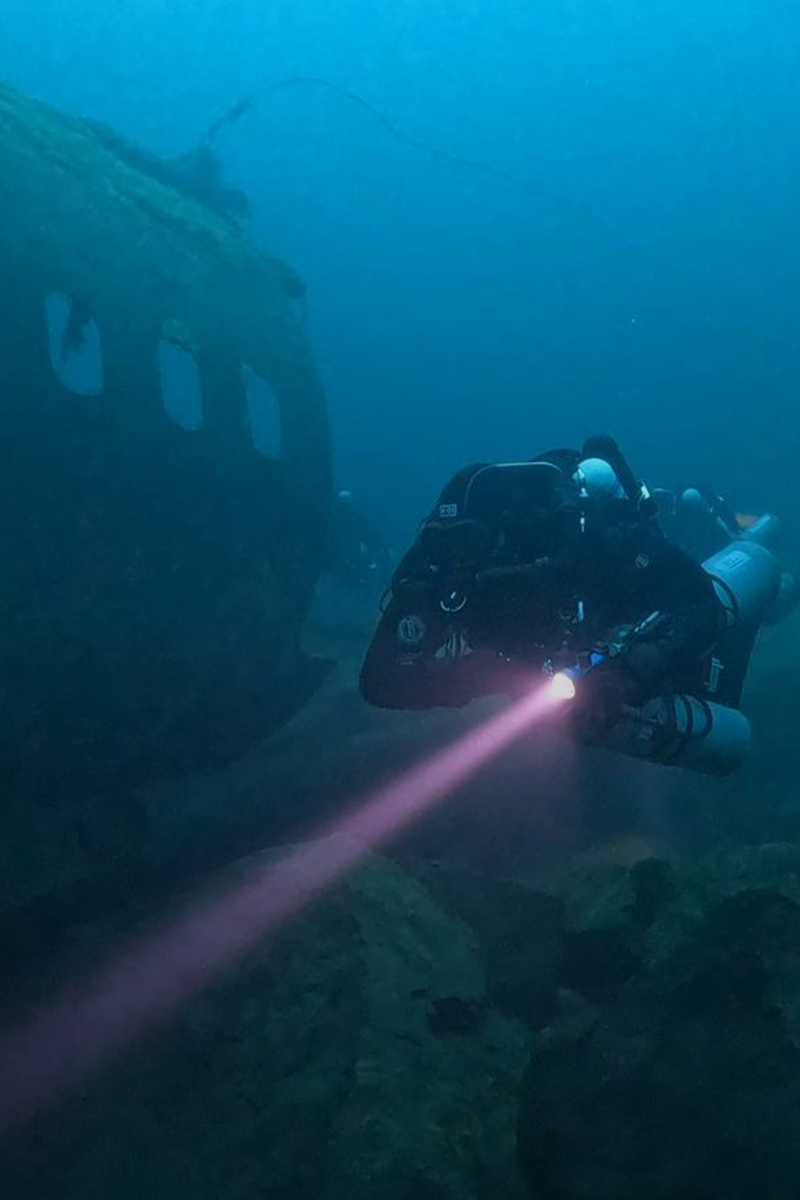
Indeed, Vanguard will become part of the ocean and home to many sea creatures.
.png)
.png)
.avif)
.avif)
.jpg)


.avif)
.avif)