
Not content with examining specimens from the comfort of his armchair, Charles Darwin embarked on a five-year voyage around the world aboard HMS Beagle. The complex and exotic life he encountered in the field challenged his thinking about the natural world.
Casting the binoculars aside, Jane Goodall moved in to live among a community of chimpanzees at Gombe National Park in Tanzania. She observed them using tools, forming lasting relationships, and passing on knowledge. These were just some of the behaviors distant research had failed to fully capture.
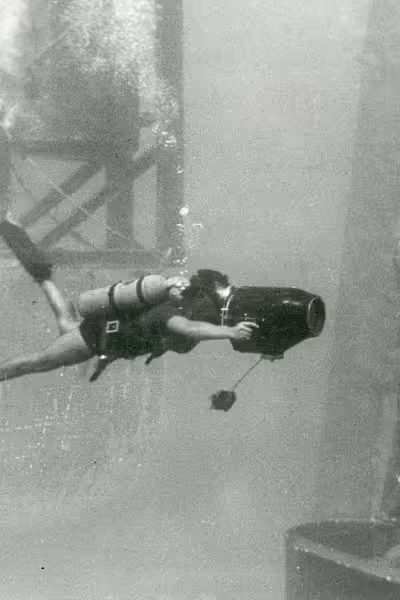
Unsatisfied with glimpses of an unknown world, Jacques Cousteau co-invented the Aqua-Lung and later built the Conshelf habitats so he could stay in the ocean longer.
A theme emerges. Discovery comes from getting up close to your subject and staying there.
The reef resident
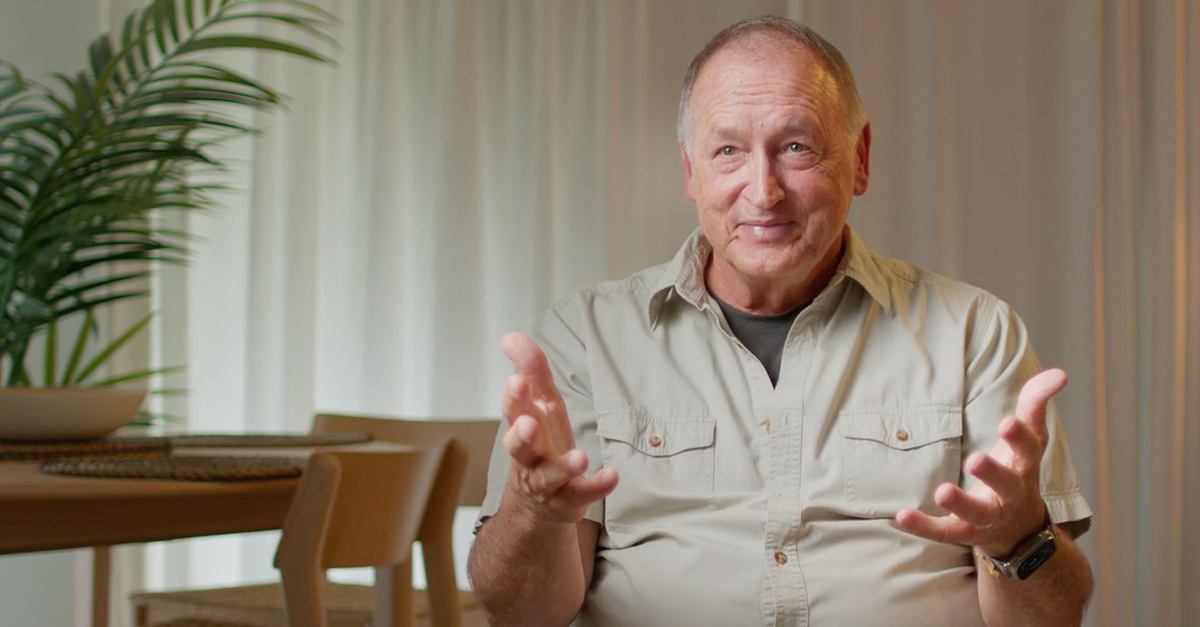
Dr. Steve Gittings puts it this way: “If you want to learn about a place, move there.”
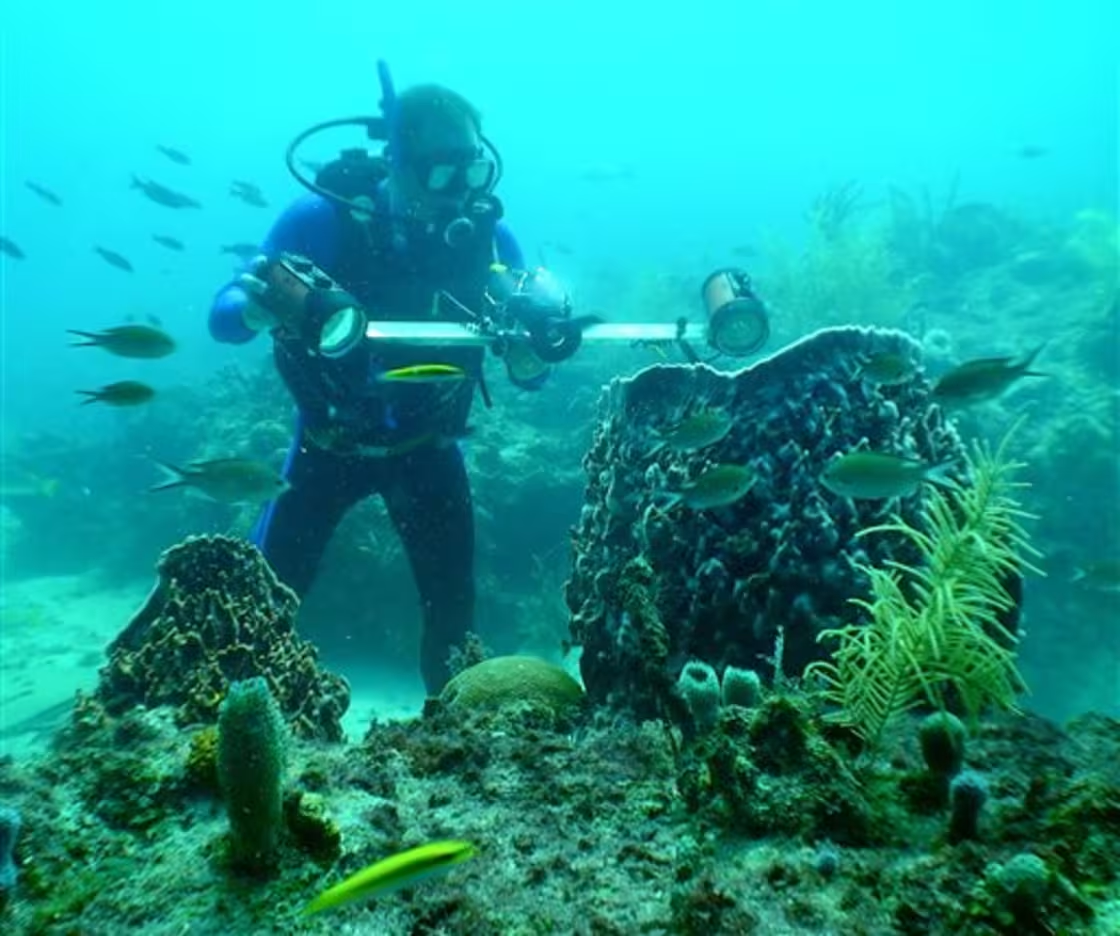
Steve is speaking from experience. The former Chief Scientist for NOAA’s National Marine Sanctuary Program spent around 30 days total in saturation, where he conducted studies from the Aquarius underwater habitat. He later supported numerous Aquarius missions from the surface during his time at NOAA.
“Most scientists have more of an emotional connection with their subject than they care to admit,” explains Steve.
“There’s a tendency to think of science as an objective, hard, never-smile discipline. The numbers. The observations. The measurements.”
“But to appreciate an ecosystem and how it works, an emotional connection with that ecosystem is important. It keeps you dedicated and makes you look at your subject more closely.”
For Steve, that connection led him to conducting research from a subsea human habitat.
“Living underwater, you’re encountering phenomena and processing it as it happens. And that's the real value of being a resident on a reef and not a visitor to the reef.”
That's the 'heart' answer to why live underwater. But there's a 'head' answer too.
Time equals knowledge
When you’re diving from the surface, every moment you spend underwater is borrowed time. Bottom time must be repaid with decompression time on your way back up. You've got to allow time for the gases you absorb at depth to leave your blood and tissues to prevent decompression sickness.
What that means is surface diving for deeper reef work leaves you with little productive time for the science itself.
Steve recalls such work in the Gulf of Mexico. The reefs were at depths of 20 meters or more, with study sites at up to 35 meters.
“We bounced down, took some pictures and measurements, then we’d go up. Then another team would bounce down. It took a lot of different dive teams to do all that work.” The limited bottom times and long surface intervals left little time for anything other than raw data collection.
But in Aquarius, that same type of work could be completed much more efficiently, because the crew were effectively unlimited in their dive times.
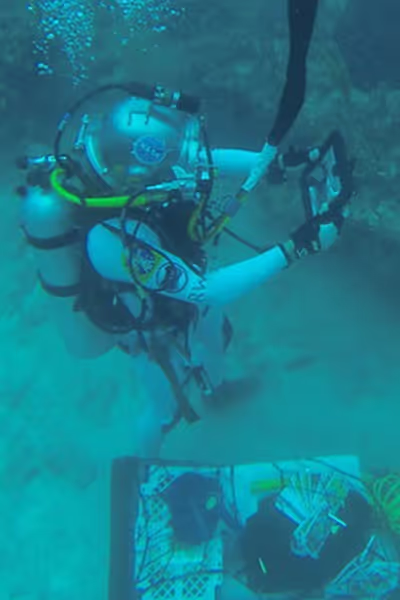
One of the big advantages of saturation diving is that you don’t have to return to the surface after every dive. You can leave the habitat, do your work, and come back while staying under pressure.
Aquanauts conducting excursions from the habitat must still remain within no-stop limits relative to saturation storage depth. But even with those limits, the difference in available bottom time is dramatic. A dive to about 99 feet, for example, can give you about nine times the total bottom time per day than you’d get making the same dives from the surface. Then, at the end of the mission, you complete one gradual decompression inside the habitat before returning to the surface (about 16 hours in Vanguard).
“Time is knowledge underwater. The more time you can spend there, the more you're going to know, the quicker you're going to know it. That’s the true value of Vanguard and underwater habitats in general.”
“You can collect more data than you ever could with bounce diving on a single dive.”
“I've done a whole lot more surface diving than I have saturation diving. I’ve gotten a lot out of it, but the discoveries are fewer and farther between, because you're just not there when you want to be. You can never be as certain that you're going to find your subjects as when you live down there and see the day-to-day movements and behavioral changes in the ecosystem.”
“Saturated, you can observe for long periods of time and discover those rare events you might never see from a surface dive.”
These kinds of longitudinal studies and incidental discoveries are especially critical to understanding coral reefs.
What is coral science exactly?
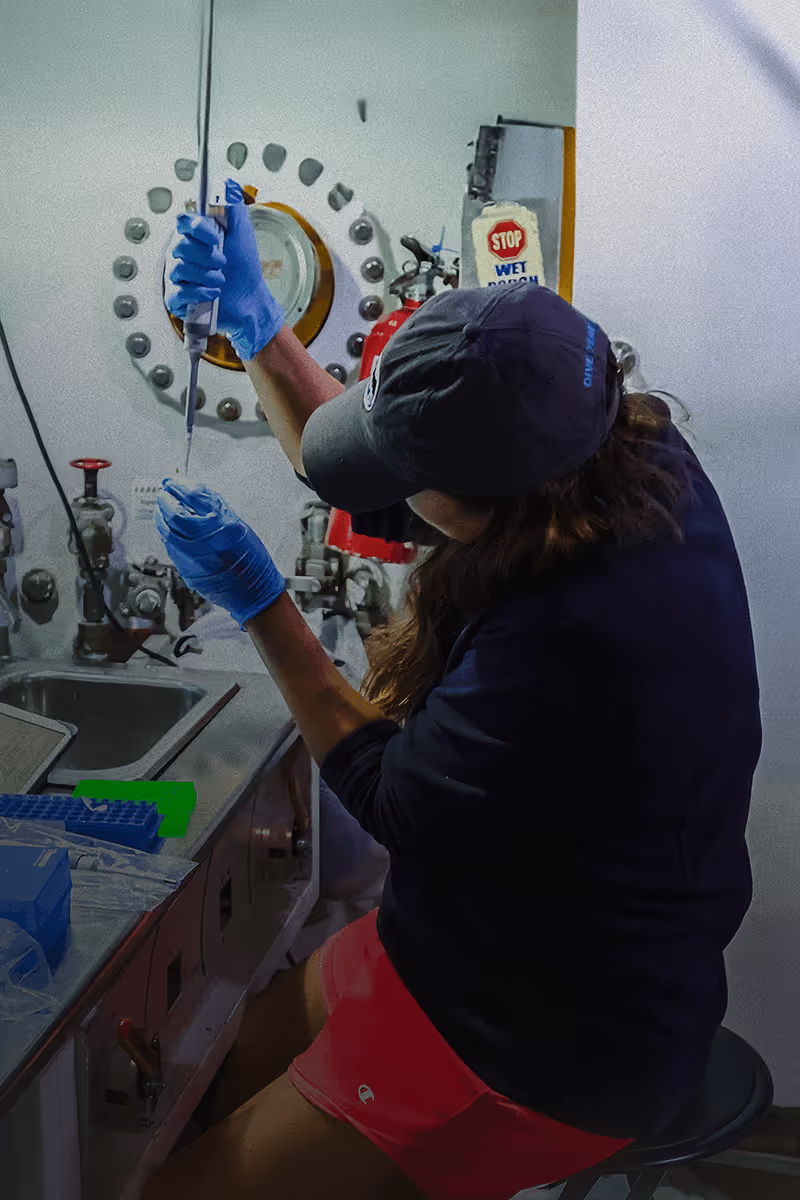
Coral science is a diverse field. Diving to the seabed to take video, photographs, or measurements. Piloting a remotely operated vehicle. Being inside a submersible. Taking water samples to study the chemistry. Sitting at a desk in the lab, growing corals or performing DNA amplification. Creating a computer model or studying satellite data. These can all be aspects of coral science.
“One of the most exciting things about researching coral ecosystems is that most of the questions we need to answer must be answered in a multidisciplinary way, between the geology of reefs, the biology of reefs, the chemistry of reefs, and the physics of reefs, as well as at multiple scales, ranging from the inner workings of a coral itself to the satellite imagery that shows the distribution and changing patterns of coral reefs.”
“That's what ecosystem science is about. Understanding the connections and interactions between all the components of an ecosystem. Once you understand those interactions, that's when you start to know enough to take care of it, restore it, or prevent it from degrading.”
Coral science spans these different disciplines, all trying to build a clearer picture of reefs and understanding of how they work. We need that clearer picture to restore and protect these systems.
Why is protecting coral reefs important?
“Coral reefs are the sole source of protein for many communities who live on islands and near the shore. They depend on fisheries that come from reefs.”
“Reefs are designed in such a way where they're a very narrow ribbon of productivity. They're only able to produce a certain amount of protein in the form of fish or clams or anything you might want to fish from them.
“It's very hard for those islands to support much more than that. If you start adding tourists, for example, to an island, you’ll start depleting resources at a level that’s unsustainable. Before you know it, the reef can't support the people on the island.”
But the importance of coral reefs goes way beyond the consumption of food. It’s not just the food we get from reefs, but the services they provide in general.
“Imagine places like the Florida Keys, whose entire economy is built on the coral reef ecosystem. The hotels, the restaurants, the boat sales, the ramps, the dive community. All those people are asking the reef to provide them something. They're asking for a service from that reef. The more it degrades, the less it can provide those services to the people who are asking for them.”
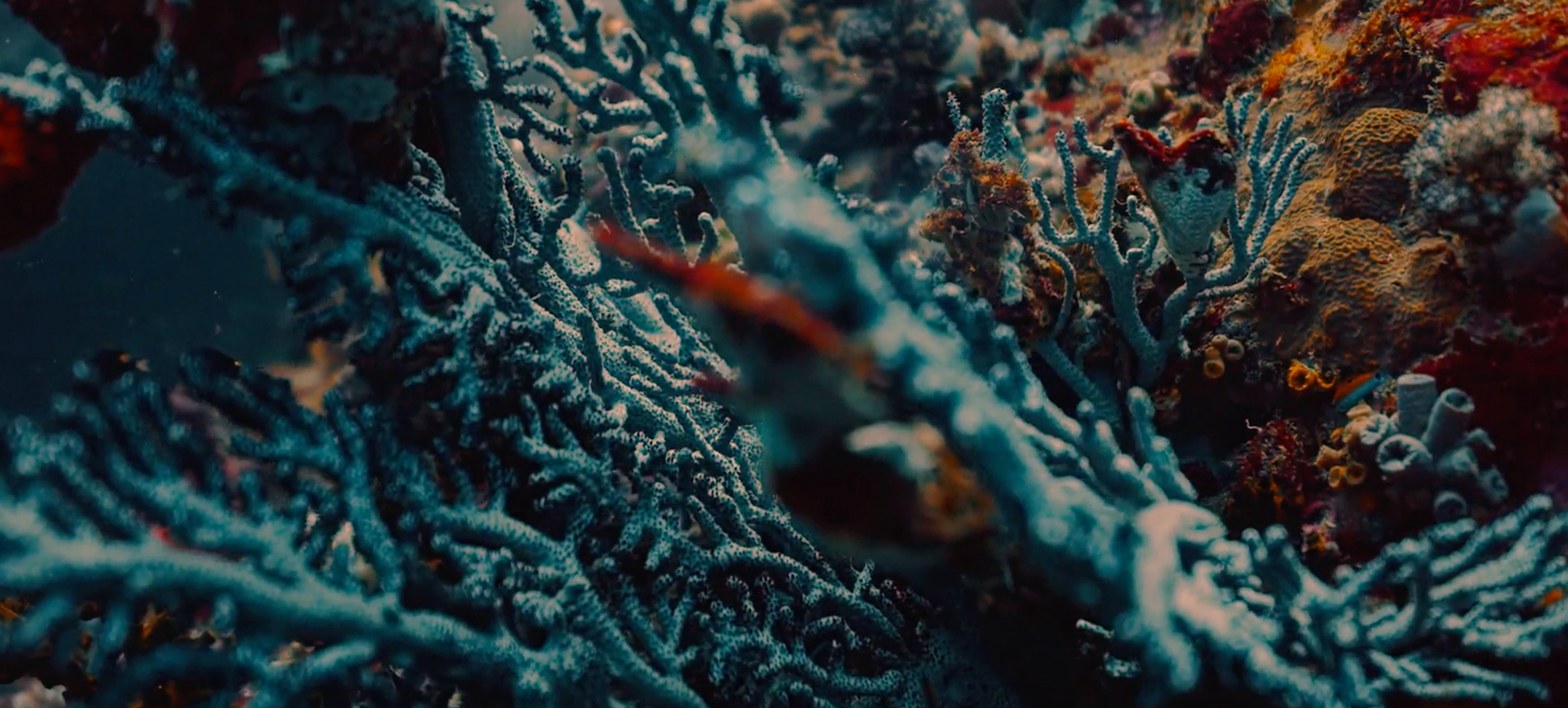
Then there's the importance of reefs from a broader perspective, biologically. The biodiversity on a coral reef equates to the likes of rainforests. It’s dense and incredibly diverse compared to just about everywhere else in the ocean and on land.
“Many species that live in the ocean directly depend on reefs at some point in their lives, either as a nursery or as a place to prey on other species. That’s why it's really important to keep them healthy. Otherwise, species diversity starts dropping in a way that we don't even know the full effects of. Biodiversity loss is a real problem throughout the world, and it stems from our own local effects to global issues like climate change.”
Why is more study needed to keep coral reefs healthy?
There's still much about coral reefs and reef ecosystems that we don't understand.
“They're so complex. The interactions and interplay between species are so complex that we couldn't possibly understand them fully. But the more we struggle to understand them, the more we're going to understand the things we need to either manipulate or watch to know whether reefs are at risk or not, or whether they're recovering or not.”
Steve points to hidden species as an example of how sustained research and observation will help restoration efforts.
“We call them cryptic species. They live in the interstices of the reef in the same way that worms and nematodes live in your garden. They keep the ecosystem productive and they're helping other species survive. The services these species provide are things we don't yet fully understand, but we know they exist.”
“When we look to restore reefs, we have to watch for those fundamental processes. If those aren't reforming, then what good are we really doing?”
“It's like restoring a city by adding people back to the city, but forgetting to add a fire department.”
How subsea human habitats help scientific research
“I was asked initially by the Aquarius team to establish a monitoring program on the deep reef at Conch Reef in the northern Florida Keys. We wanted to know if the same changes happening on shallow reefs were also occurring on deep reefs back during the 1990s.”
“Shallow reefs were starting to decline significantly. Species were getting diseases they never had before. Coral cover was declining.”
“Almost all the long spine sea urchin died in 1983. The sea urchin population in the Florida Keys was very special and important. They were the cleaners of the reef. They went out every night by the millions and ate algae off the reefs. They kept the reefs clean, and allowed new corals to settle and grow.”
“As soon as they died and algae started taking over the reefs, corals were outcompeted by algae. Baby corals couldn't settle on the algae and start to grow because it's soft and mushy, not hard and structured.” Algae also trapped sediments and prevented lateral growth by adult corals, and they slowly retreated.
“So, using Aquarius, we set up monitoring stations and transects in deep water. We took lots of photographs and measurements. We ran fish censuses. All this kind of work helped us gain a fuller understanding of the ecosystem as it was and how it was changing.”
This was critical work made possible by an underwater habitat.
“I really needed a lot of time to go out and collect all that data, and a lot of time on the bottom to not only do that, but see other things to help me get a better feel for what the drivers and the controls of ecosystem health down there were. I was looking at things like disease incidence change over time, or coral bleaching.”
Looking ahead to the future
“Several things give me hope for coral reefs. There are still places in the world where coral reefs seem as healthy now as they were decades ago. We should learn what keeps those healthy. What are the stressors that have been reduced and minimized to allow them to maintain their health?
“People are working on restoration technology, with new technologies coming along all the time that improve our ability to intervene where it’s needed.”
“The ocean is an incredibly efficient system. Organisms go from larvae to adult much quicker in the ocean than on land. We can assume that this translates into an ability for nature to recover faster in the ocean than on land following a disturbance.”
“In a way, that gives me more optimism than anything else, because nature is so efficient once it starts to do its magic. Nature has all the capacity it needs to recover, as long as it has all its parts to work with.”
But making progress relies on understanding the complex reef, and time underwater is what unlocks that understanding.
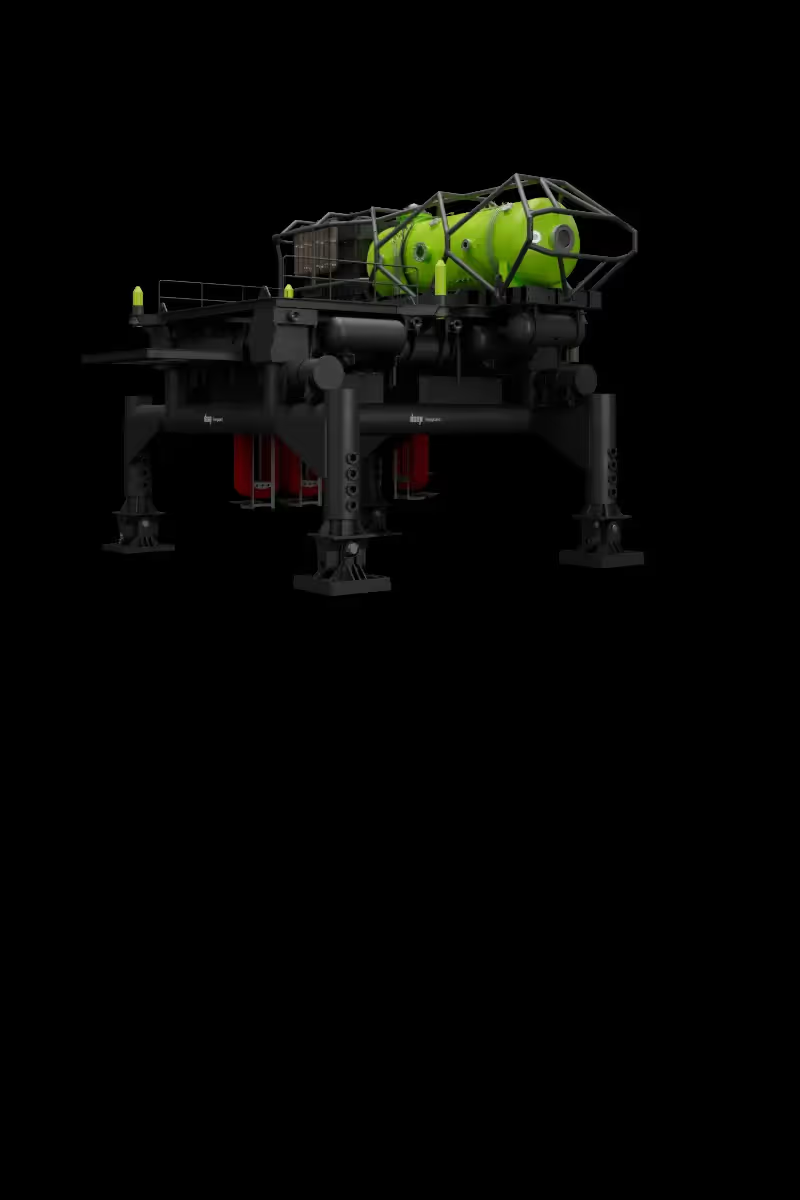
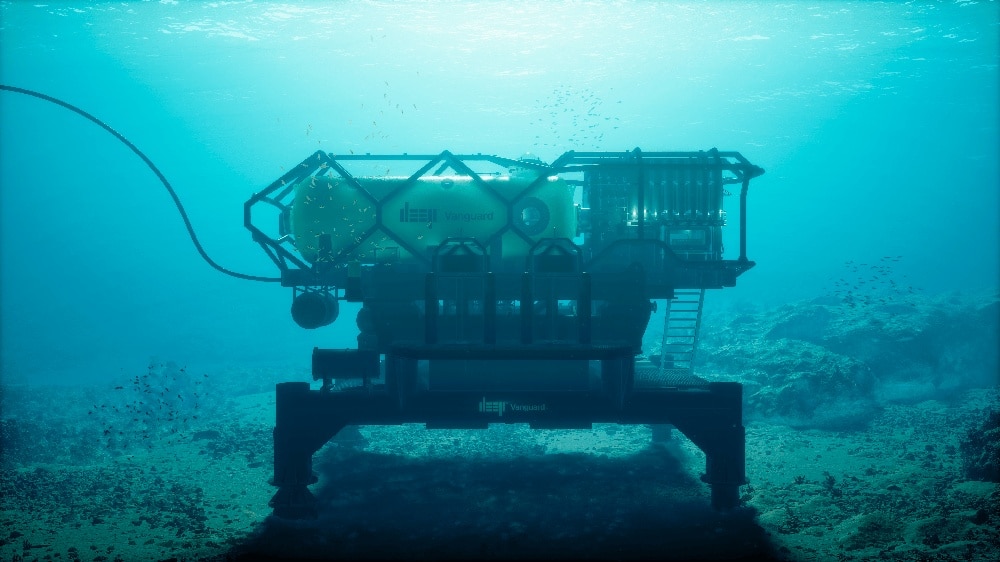
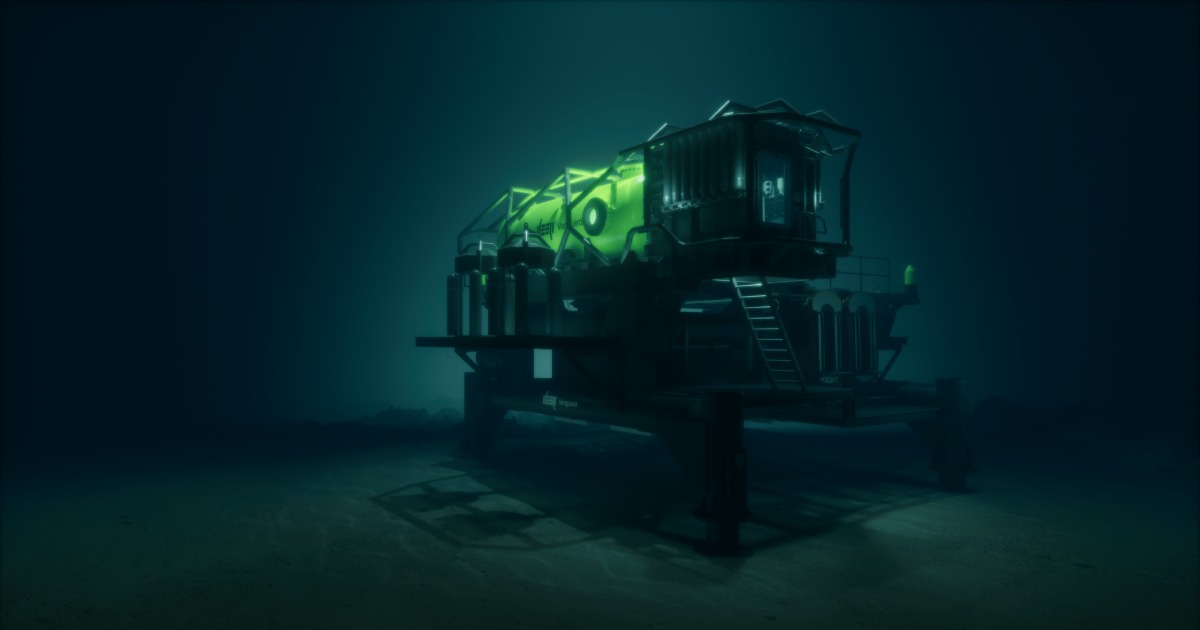
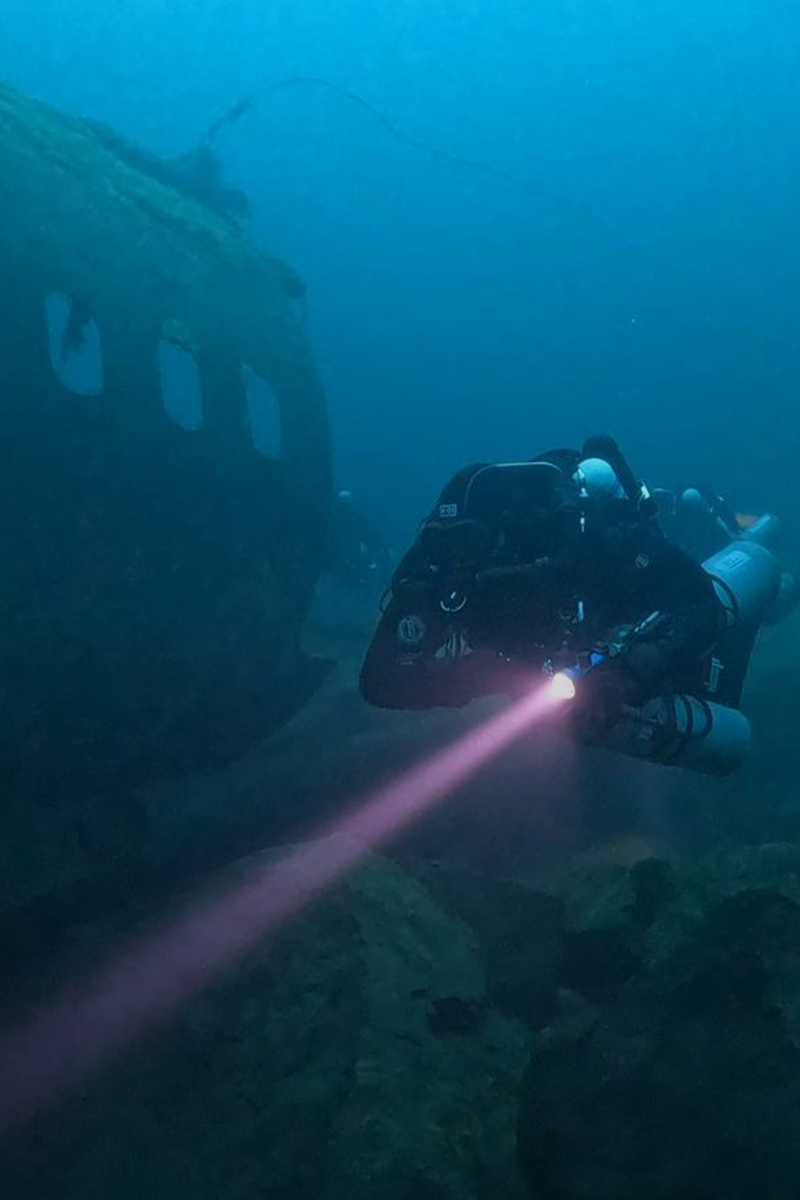
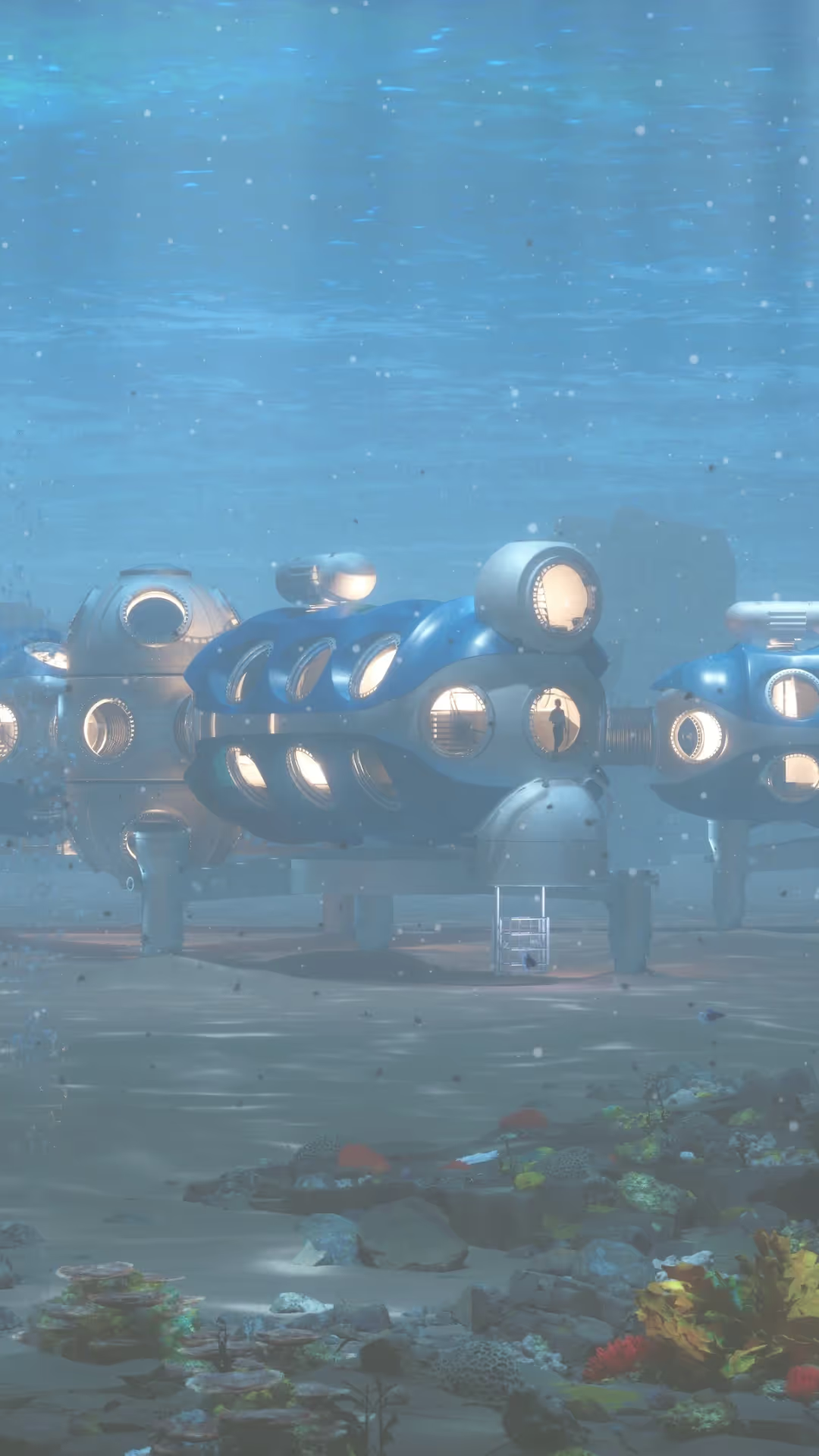
Vanguard is the first open-ocean subsea human habitat built, tested, and deployed in the United States in 40 years. It is continuing the rich legacy of habitats and their contributions to marine science.
What does this mean for coral restoration?
“Vanguard has a lot of potential to improve our knowledge in the restoration field. It can help us answer some critical questions, including how much we should be intervening and what tools we should be developing. There's a lot that scientists can do with Vanguard and the knowledge that emerges from those studies can be spread to improve our skills in restoration and scale up those activities.”
“People listen to those who have lived underwater. Because of my experience, I have had the opportunity to share messages that otherwise wouldn’t have been heard.”
“Vanguard has a role, and perhaps a responsibility, to use that power in a couple ways. First to bring together different science communities to understand the reef as best as we possibly can. Secondly, to amplify the voice of the ocean.”
“We've demonstrated that we can affect ecosystems at a scale much larger than we used to think we could. The ocean is not too big to for us to impact it.”
“Now the question is, is it too big for us to help fix it?”
.png)
.png)
.png)
.avif)
.avif)
.jpg)

.avif)
.avif)