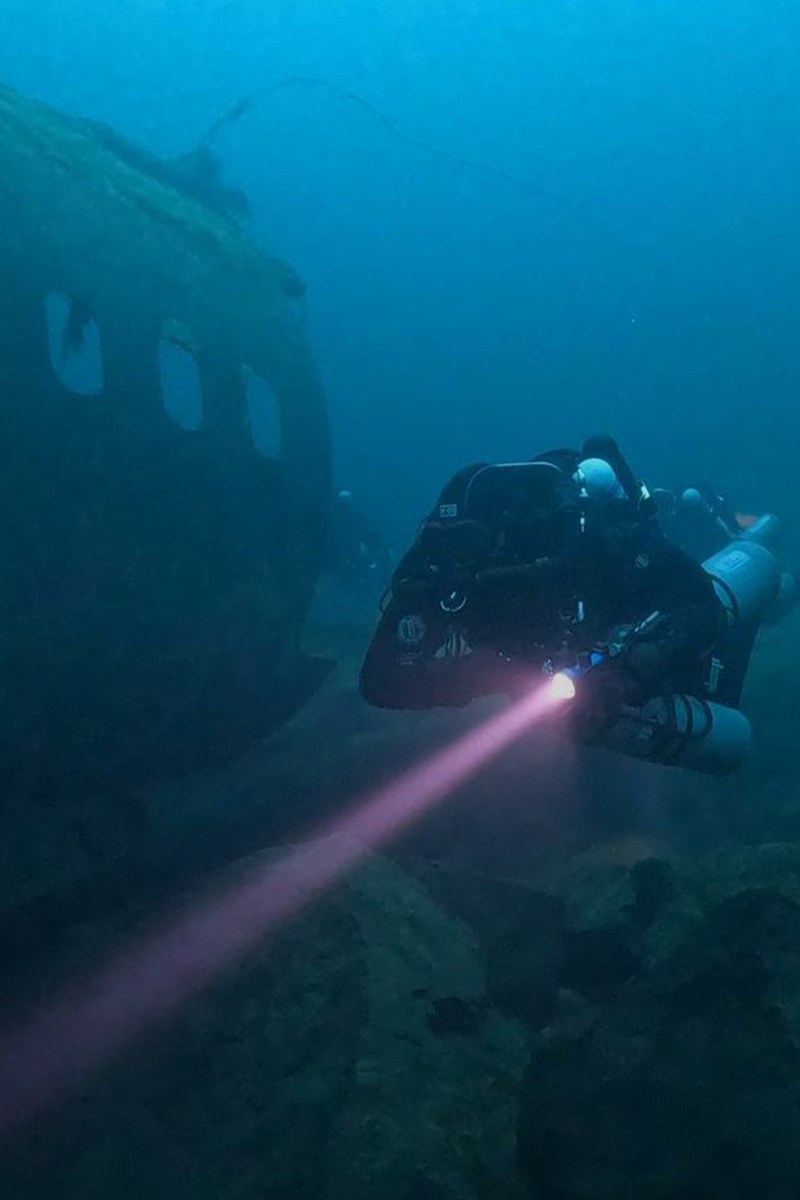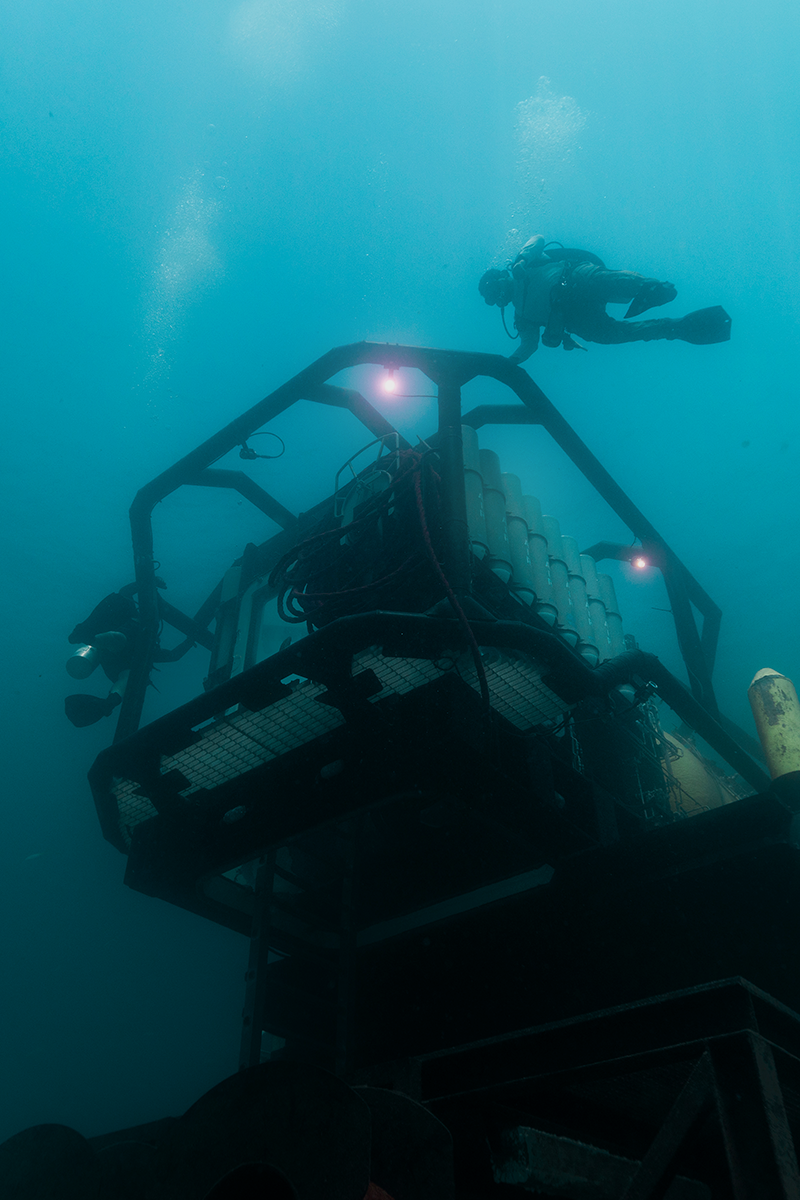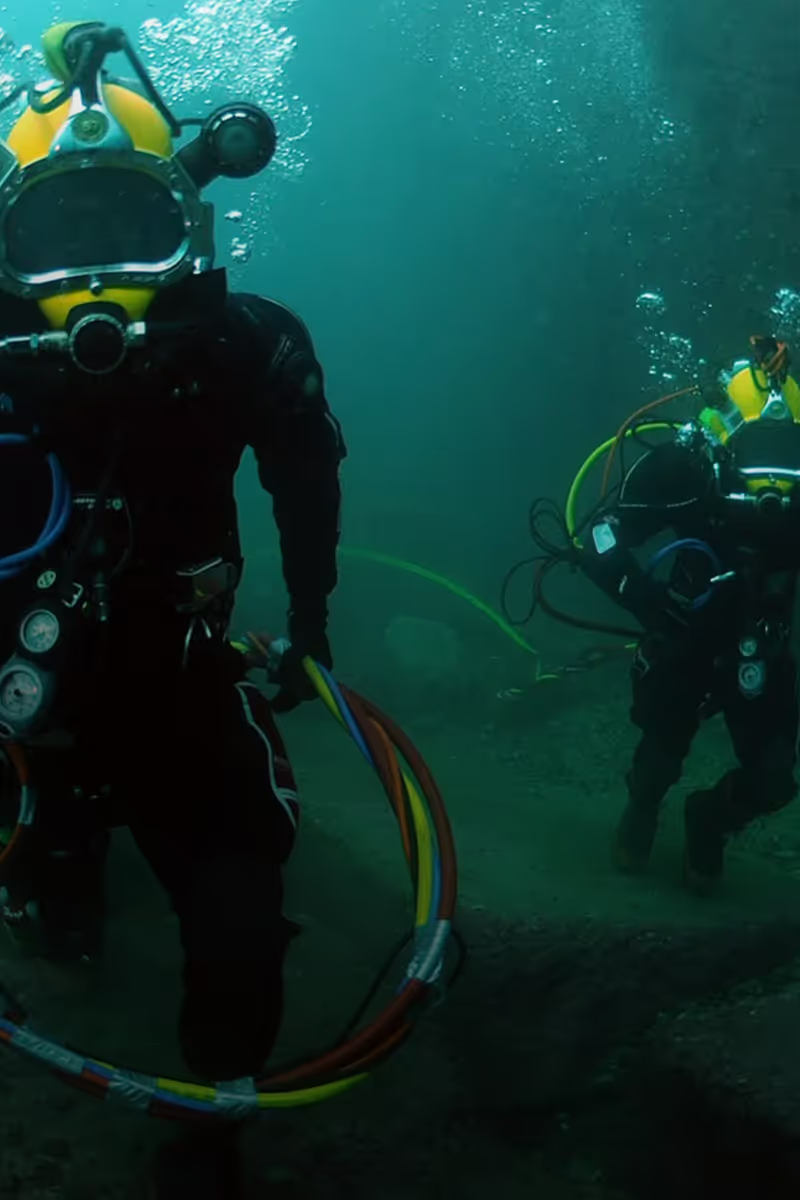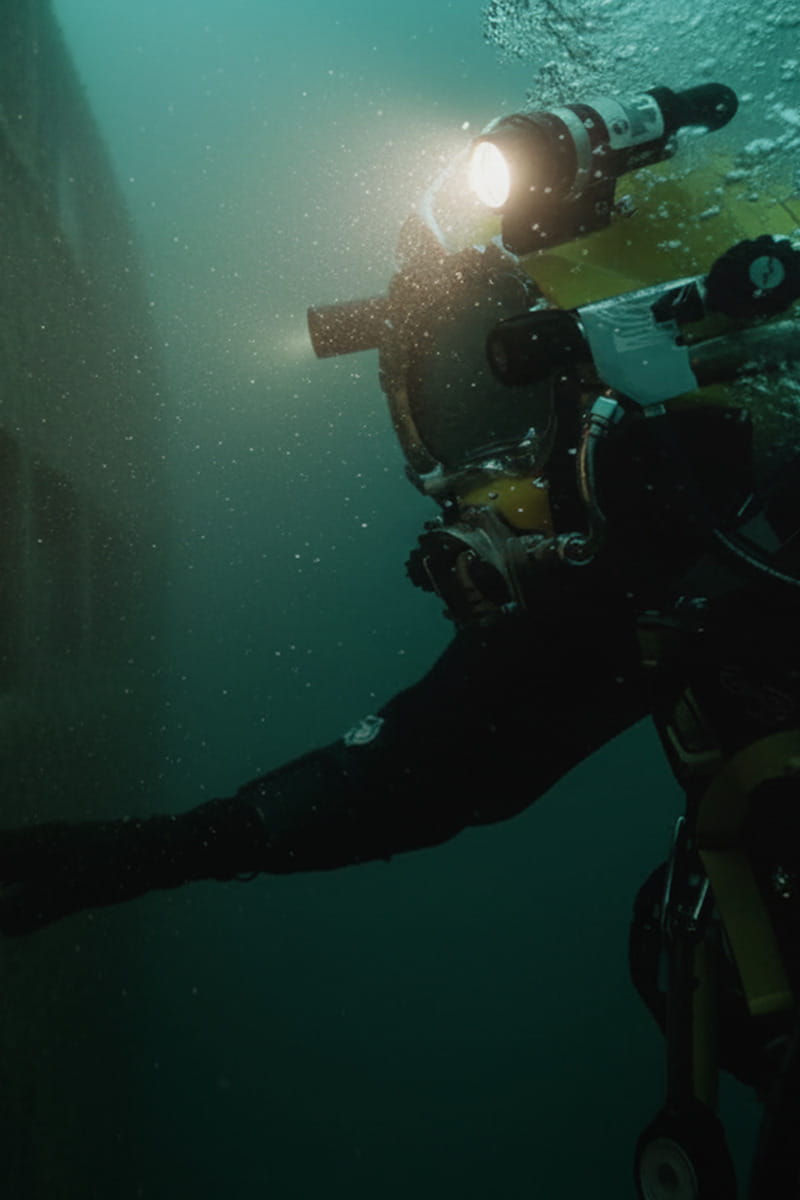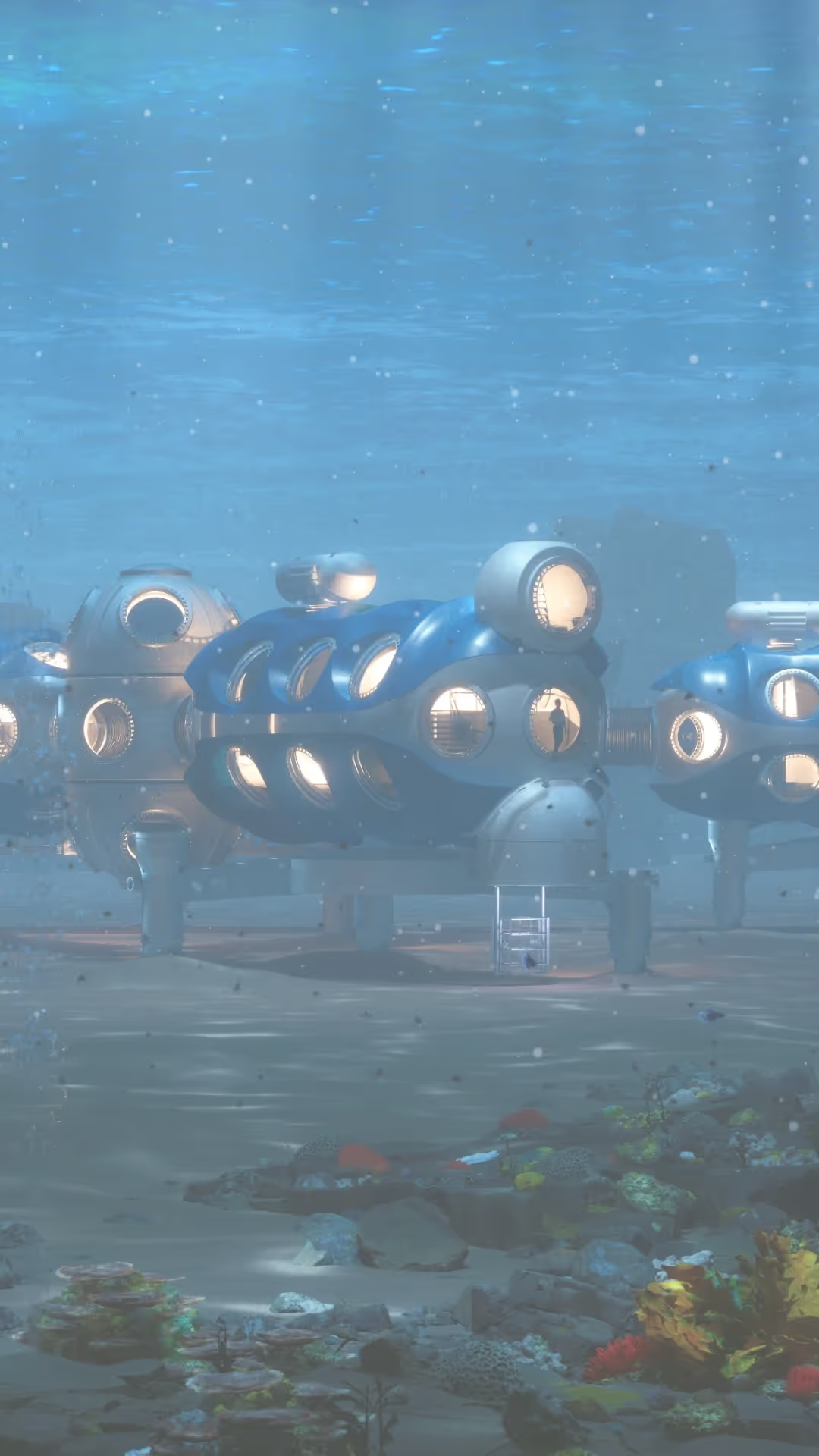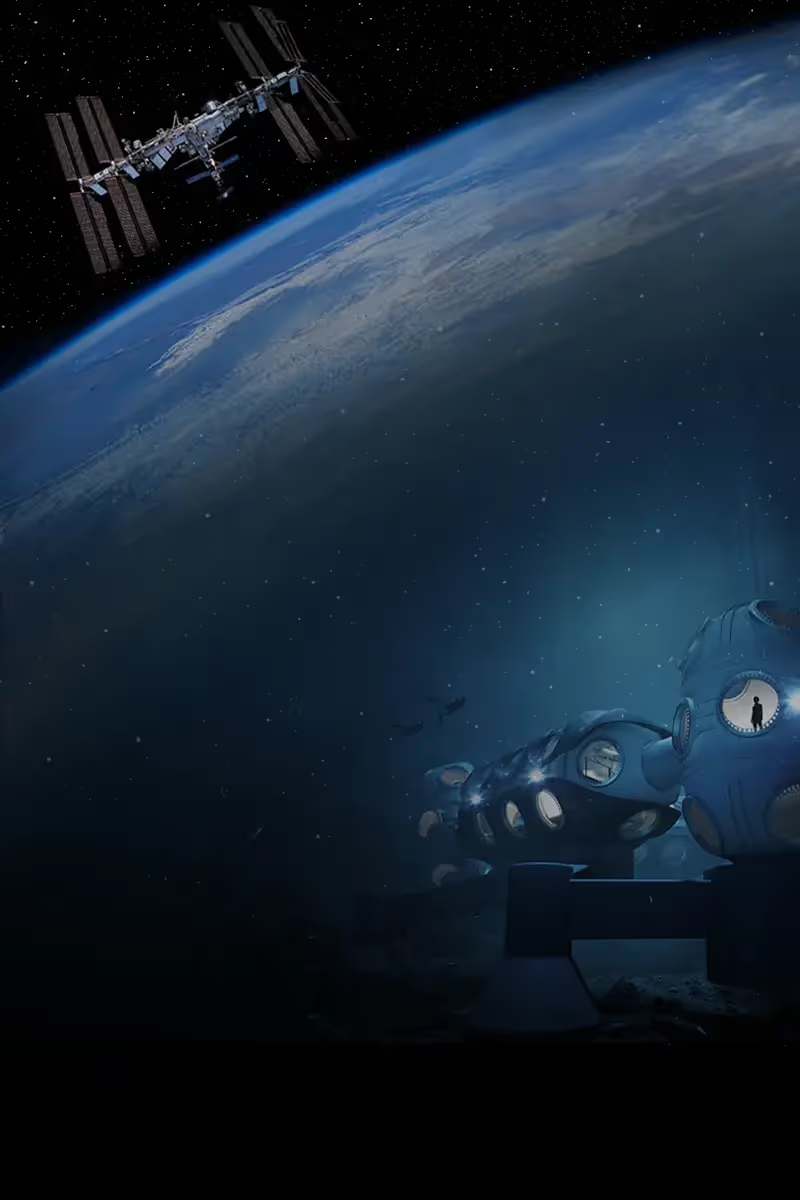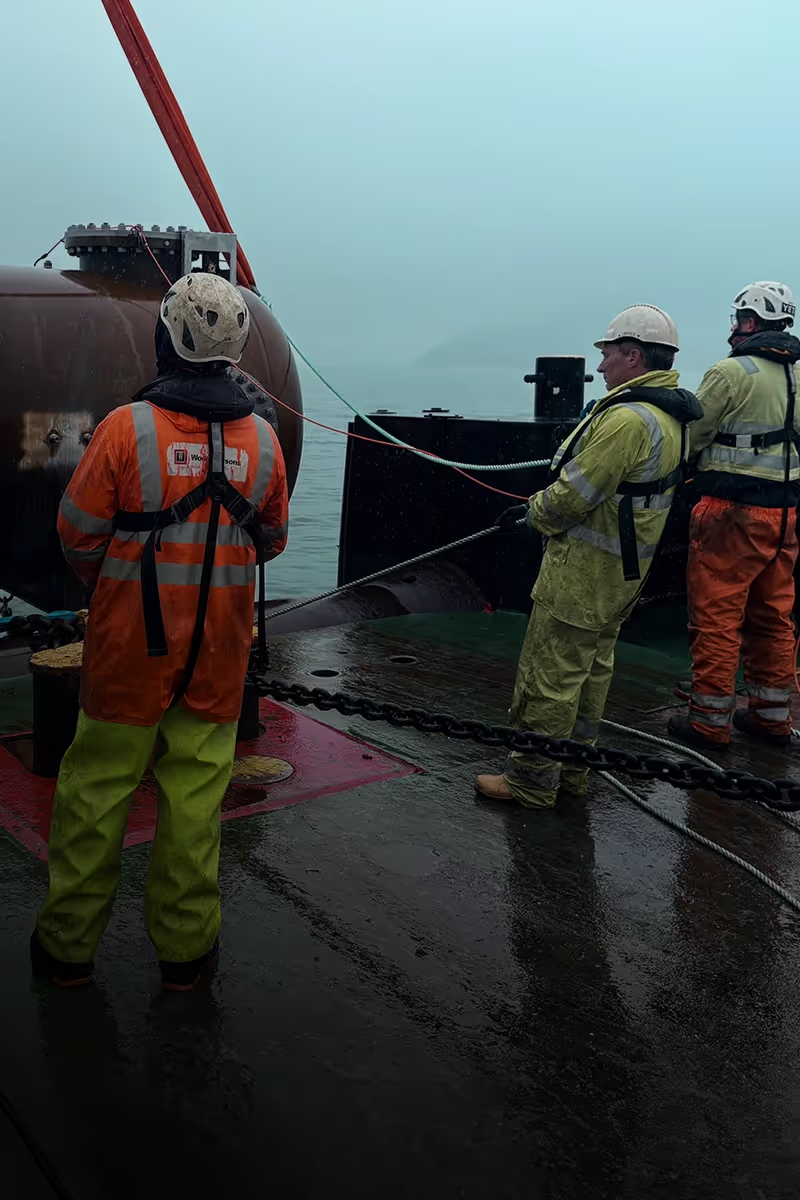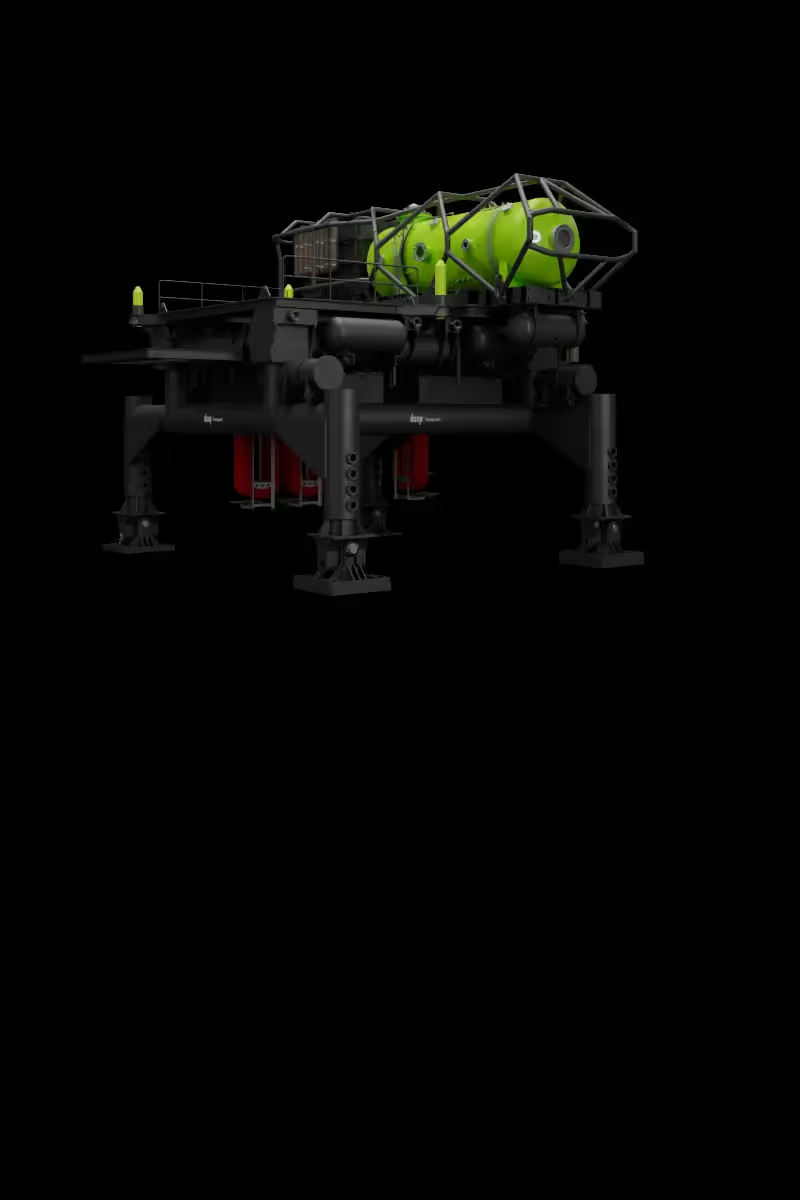
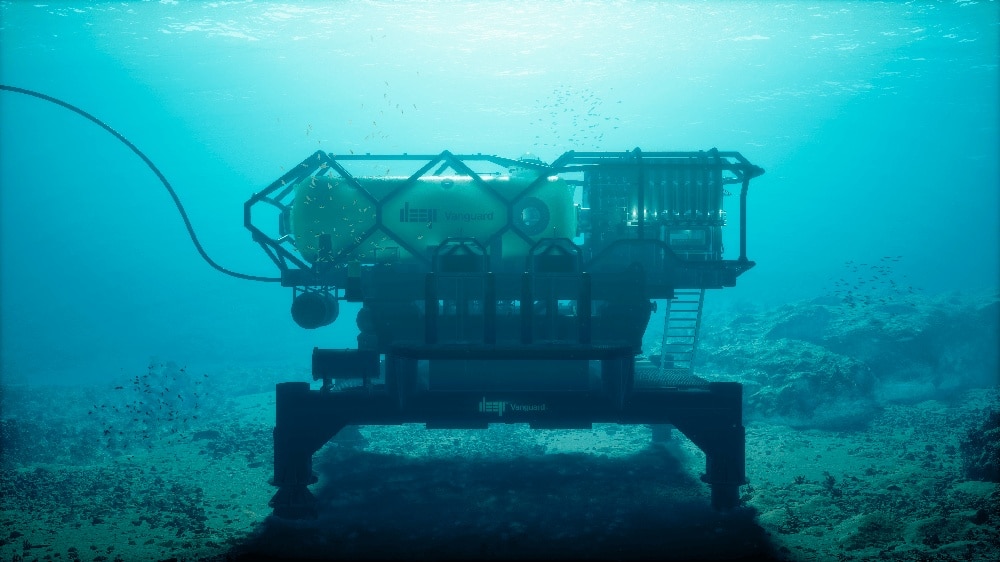
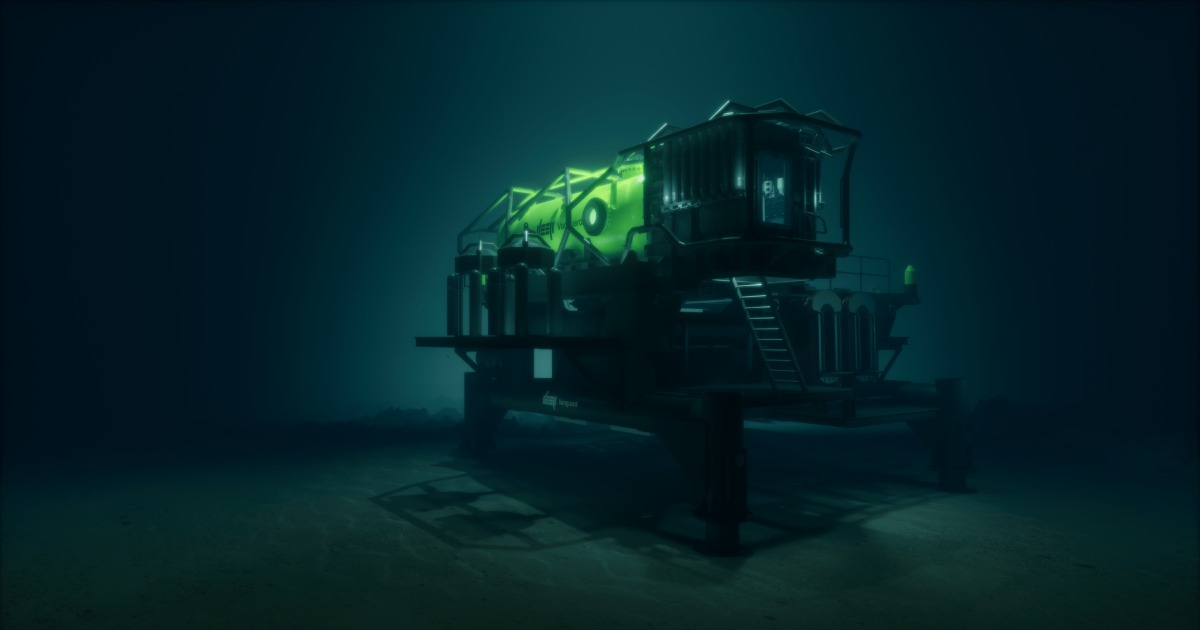

Since we deployed Vanguard on the seabed at Tennessee Reef within the Florida Keys National Marine Sanctuary in June 2026, a lot has been happening both inside and around the habitat.
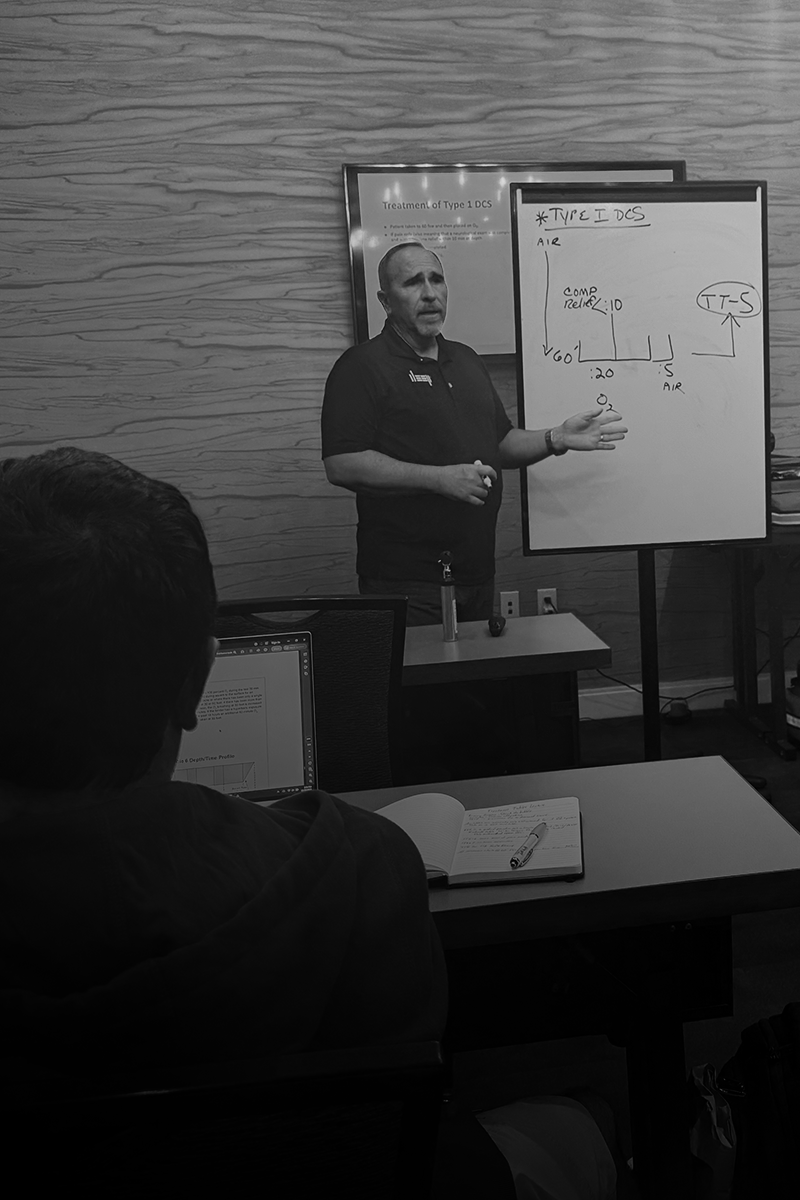
Vanguard was recently awarded an Interim Classification Certificate from DNV, a global leader in maritime technical assurance. This milestone allows us to advance Vanguard into its initial operating capability phase. During this phase, DEEP staff will begin saturation systems readiness operations aboard Vanguard, building toward a long-term program of scientific saturation missions. These missions will support marine science, human performance research, and training for operations in extreme environments.
While we’ve been working toward full operational capability, Vanguard is beginning to do exactly what it was designed to do: give scientists a sustained presence on the reef and create new opportunities for research and conservation.
Let me give you three examples of science happening at Vanguard right now.
Tracking what’s settling and growing on Vanguard
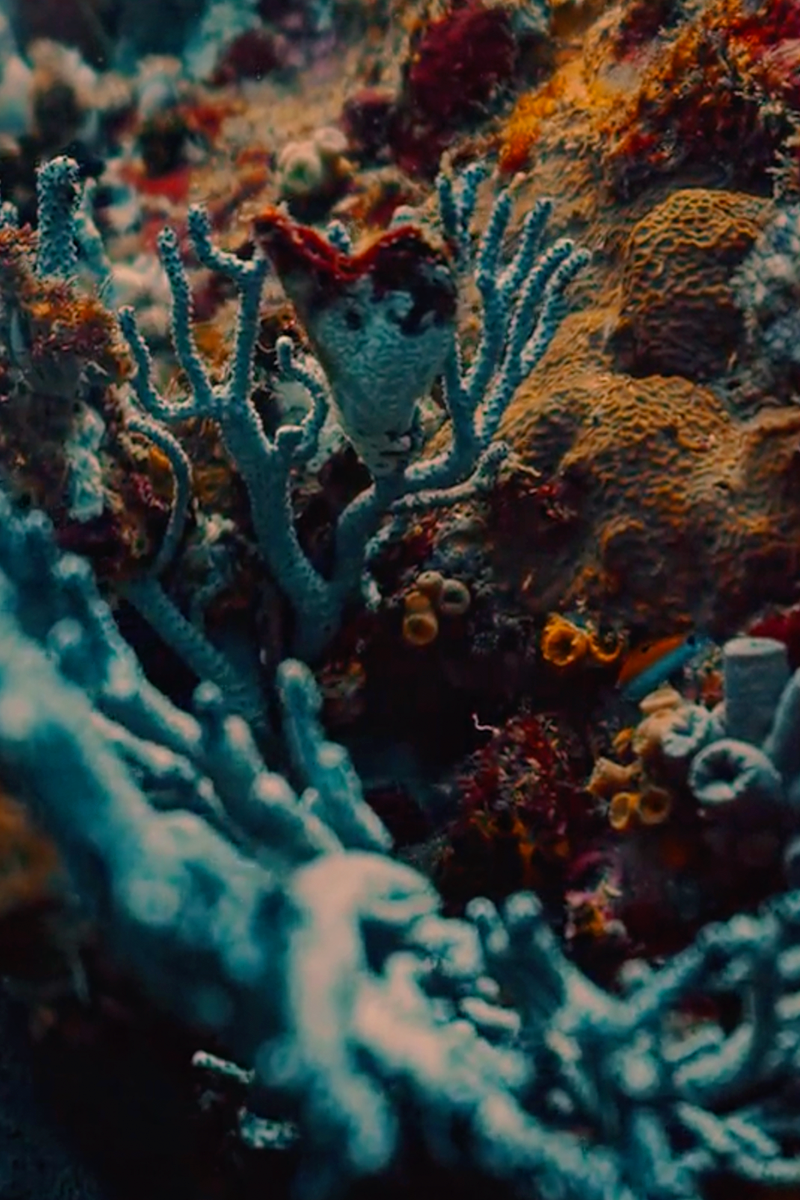
Vanguard isn't just a platform for scientific diving. Once you put a structure like this in the ocean, marine life begins to colonize it almost immediately.
And not all that life is something we necessarily want.
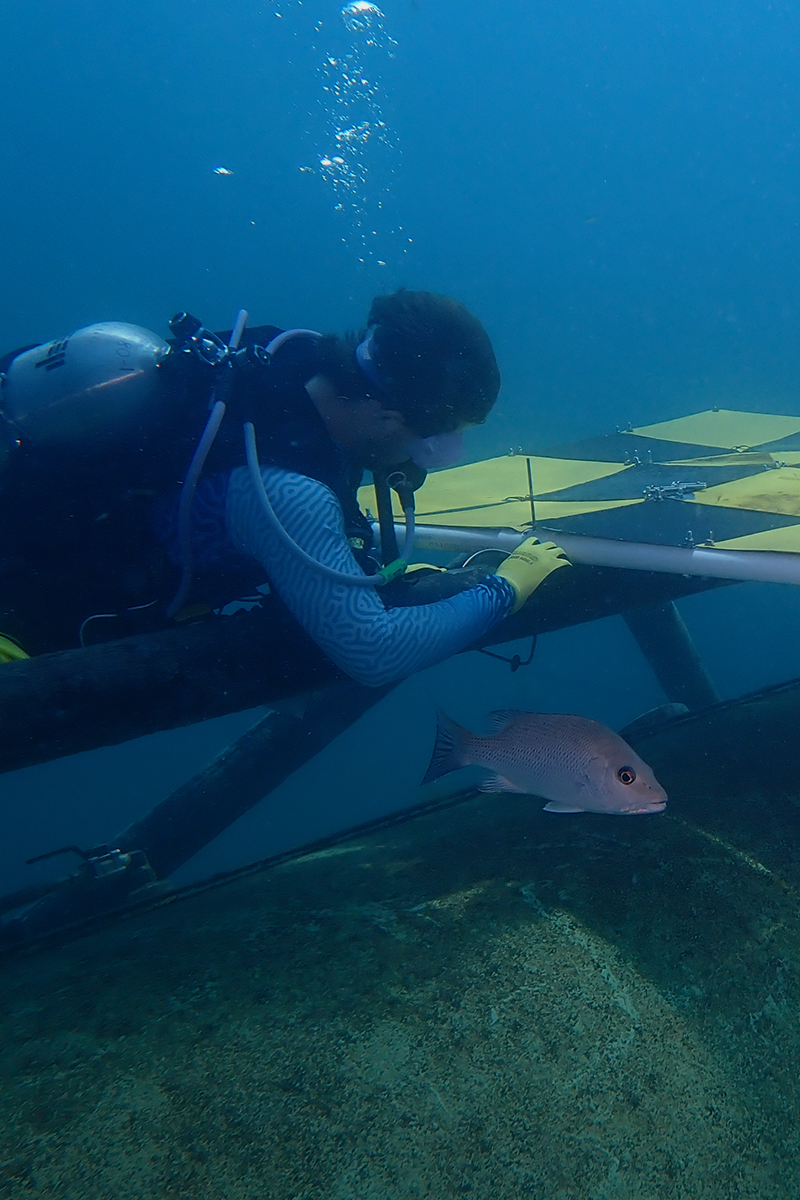
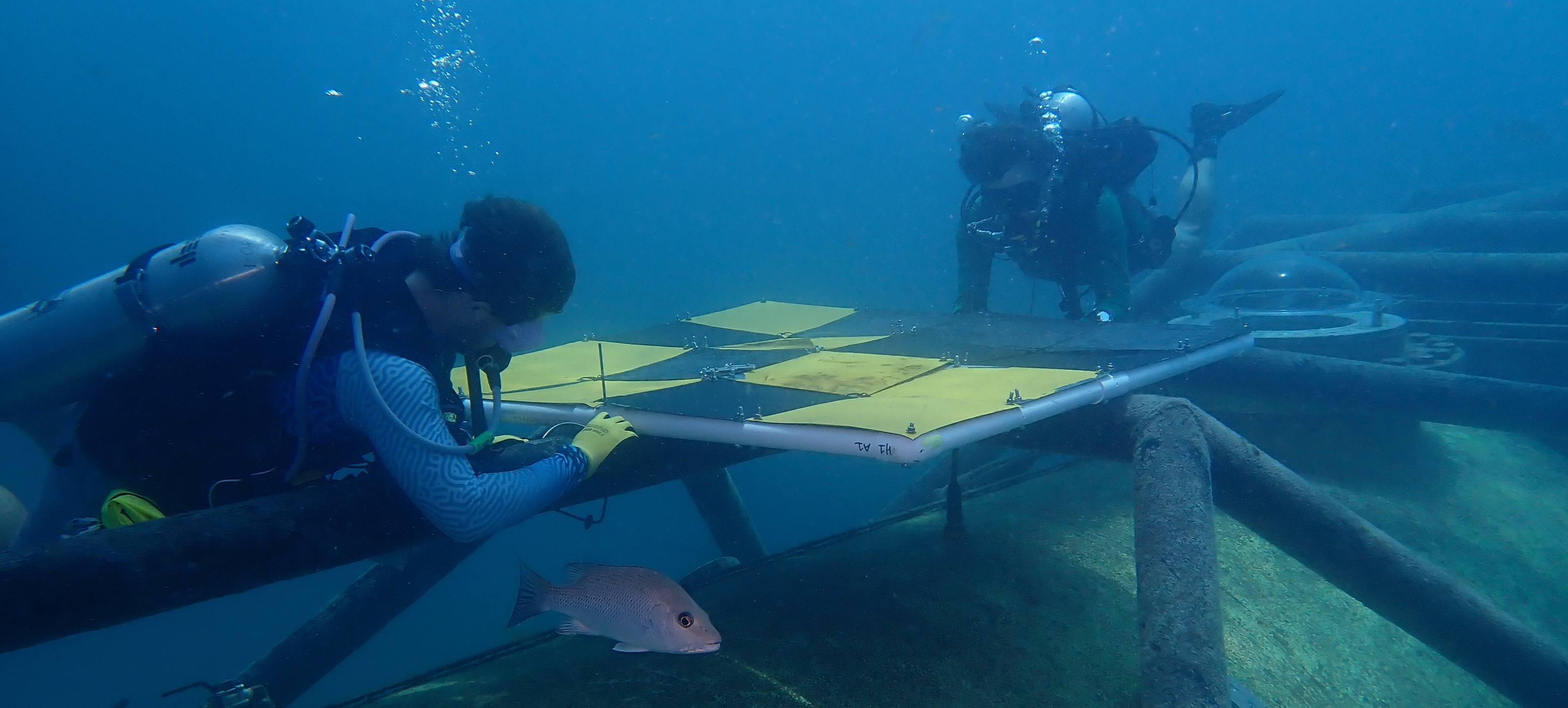
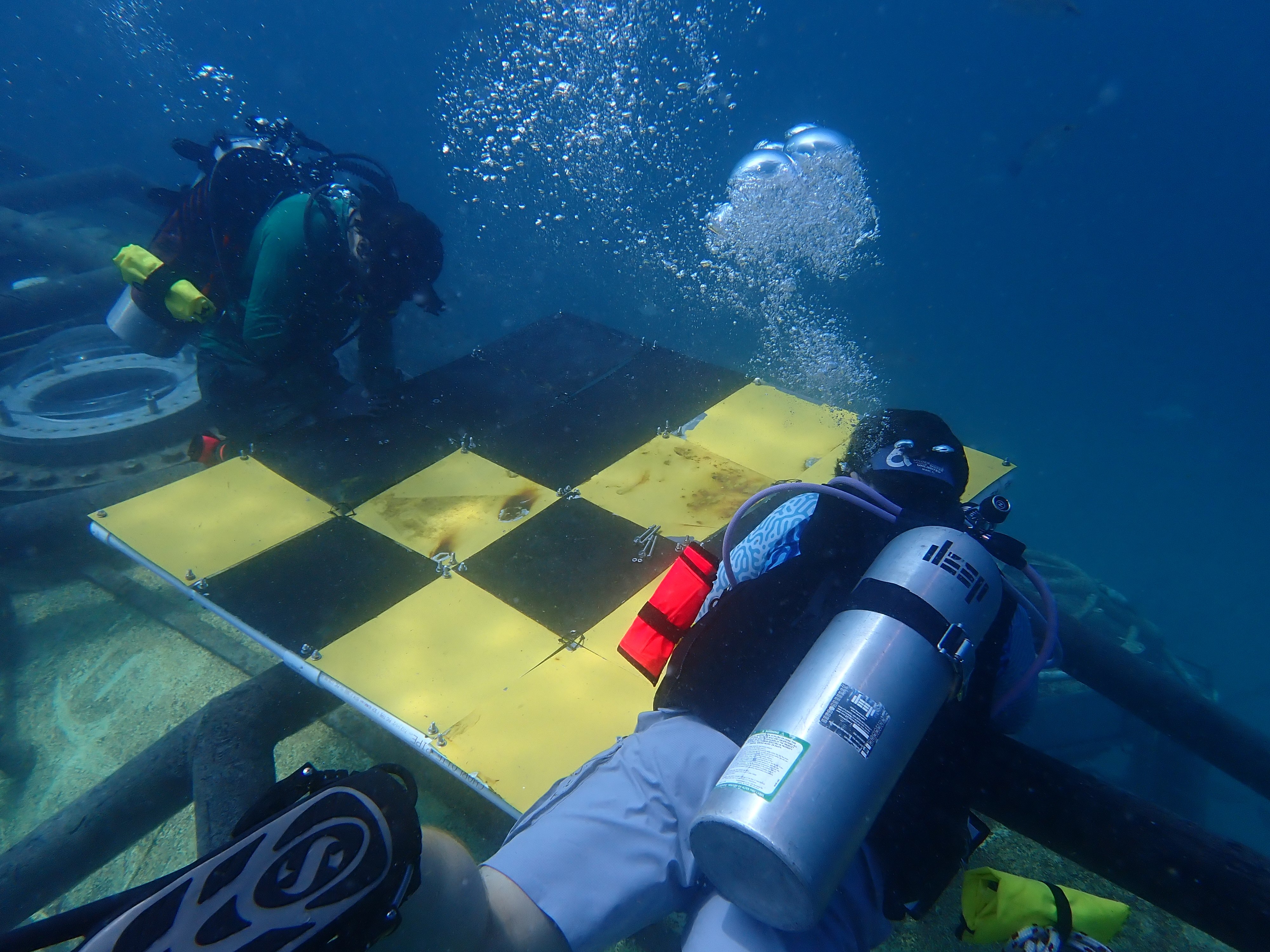
Working with the University of Miami and the Florida Keys National Marine Sanctuary, we've installed settlement panels on and around Vanguard. The panels are coated with different treatments so scientists can better understand what settles where, which species colonize particular surfaces, and under what conditions.
That may sound like a localized experiment, but the implications are much larger.
Around the world, more infrastructure is being put into the ocean – for research, renewable energy, communications and other purposes. If we can better understand how those surfaces are colonized, marine infrastructure can be designed so that it is less hospitable to invasive species and more supportive of healthy, naturally occurring marine communities.
Acclimating corals to a cooler home
Rising ocean temperatures have placed enormous stress on corals throughout the Florida Keys, and extreme heat events can push already vulnerable populations beyond their thermal limits.
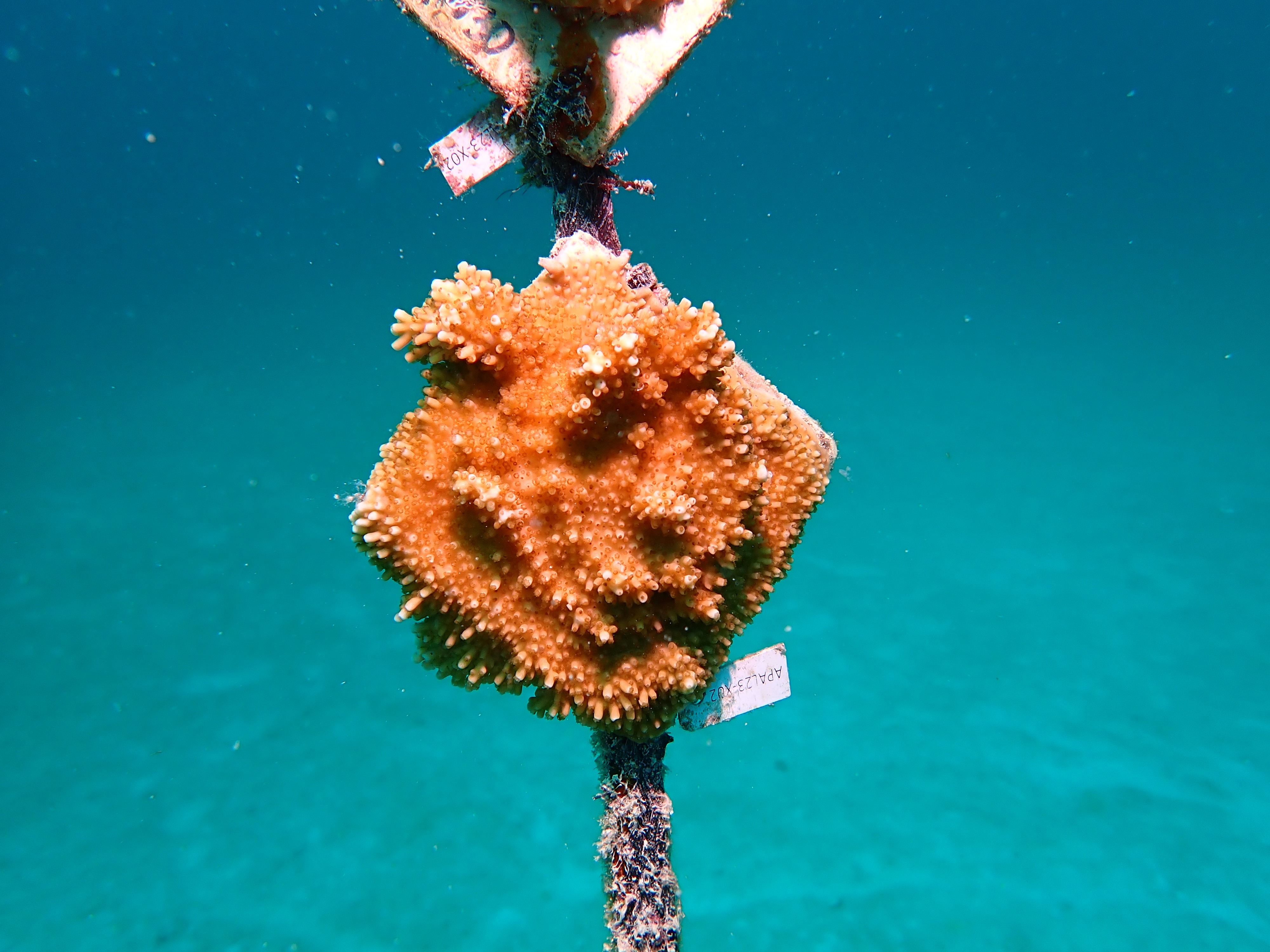
Marine biologists from Sustainable Ocean and Reefs (SOAR) are testing one possible response: moving corals into deeper, cooler water.
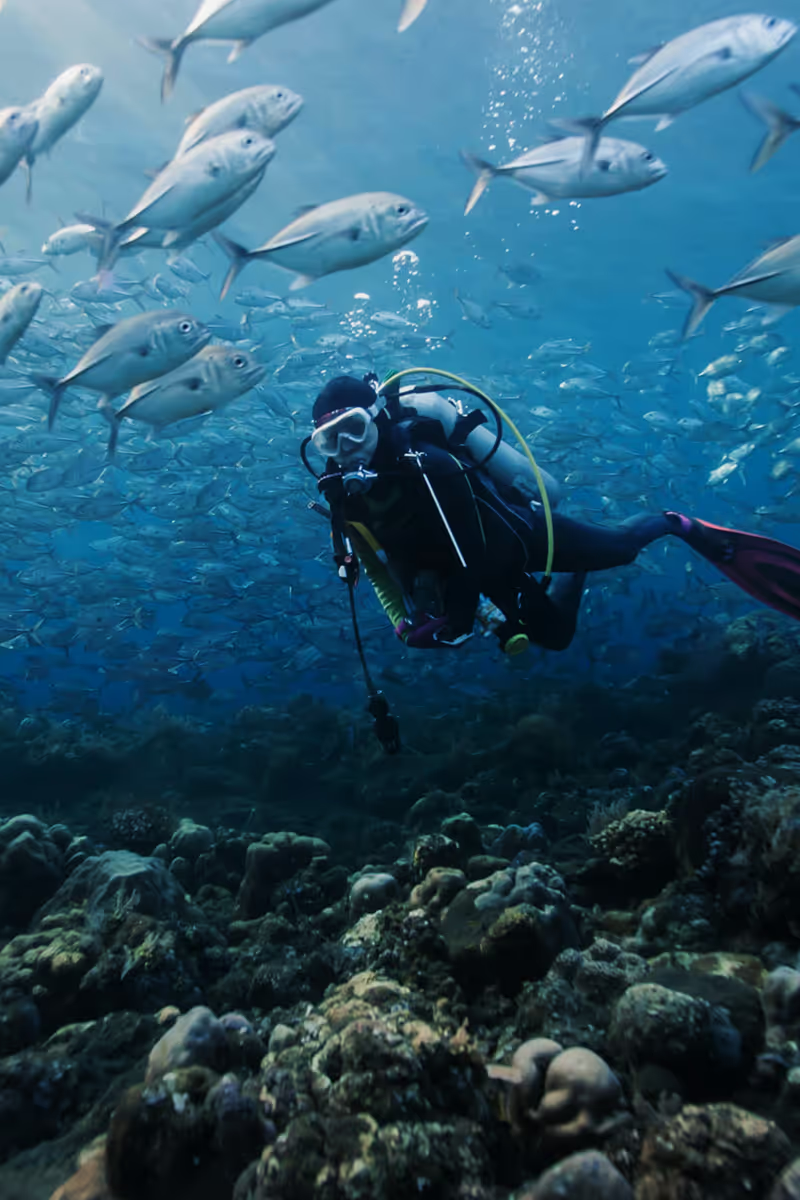
Working together, we established a coral nursery adjacent to Vanguard. A structure now holds roughly 90 healthy corals that were relocated about 10 meters deeper than their previous location, into the cooler waters surrounding the habitat.
And this is where having people living underwater begins to change what is possible.
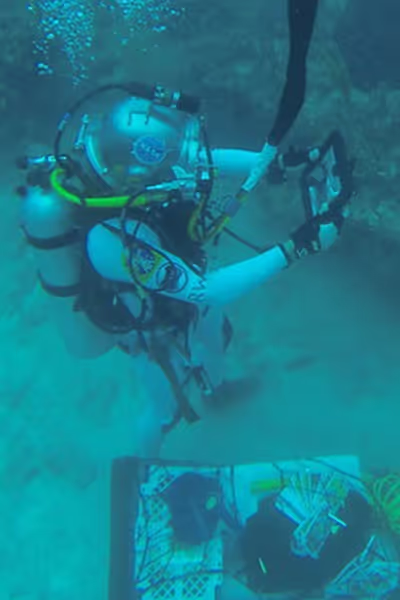
A traditional dive team may only have a few hours underwater every day. Aquanauts living aboard Vanguard can visit the nursery repeatedly, helping to maintain the nursery infrastructure, documenting changes through repeated photography, and responding when something unexpected happens.
Understanding who’s moving through the neighborhood
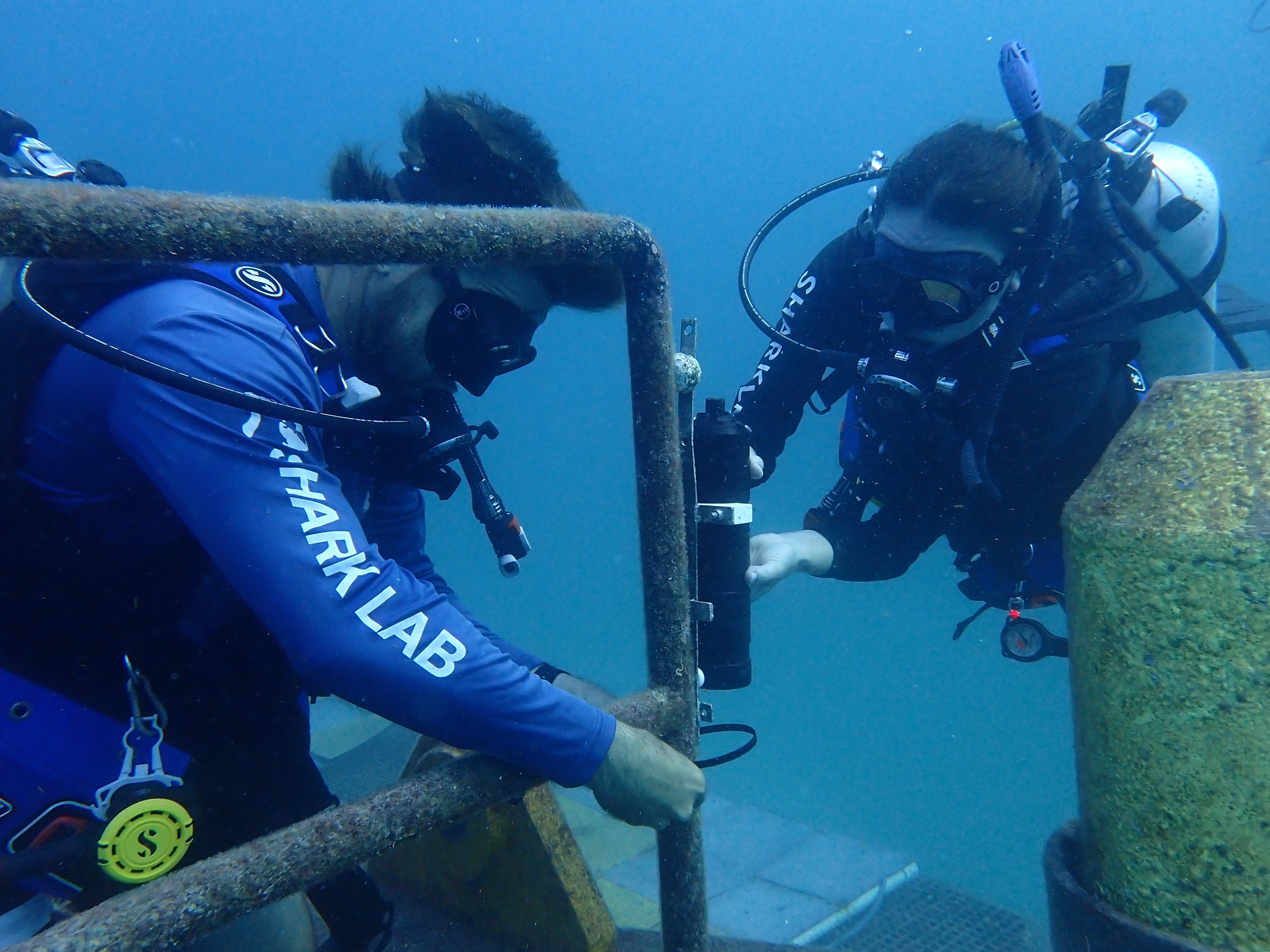
In partnership with the Bimini Shark Lab, we've installed an acoustic receiver on Vanguard that listens for tagged marine animals moving through Tennessee Reef.
When a tagged shark, fish, ray, sea turtle, sawfish, or another animal passes within range of the receiver, its presence can be recorded.
Those animals have been tagged by government agencies, universities, and nonprofit research organizations working across the region.
Every detection at Vanguard becomes part of a larger collaborative dataset. Over time, those detections can tell us which species are using Tennessee Reef, when they are there, how frequently they return, and how their movements change over time.
And when those observations are combined with data from receivers throughout the region, we begin to see something much bigger: how animals are moving across the Florida Keys ecosystem.
What’s exciting is that all this is happening before Vanguard has even entered its full program of scientific saturation missions. The next step is to build on that foundation by working with scientists to design research programs that take advantage of a sustained presence underwater.